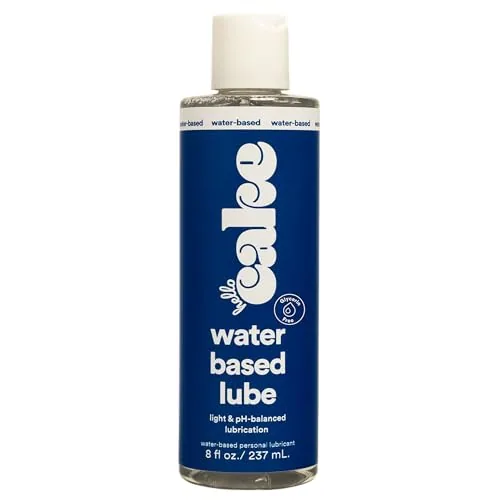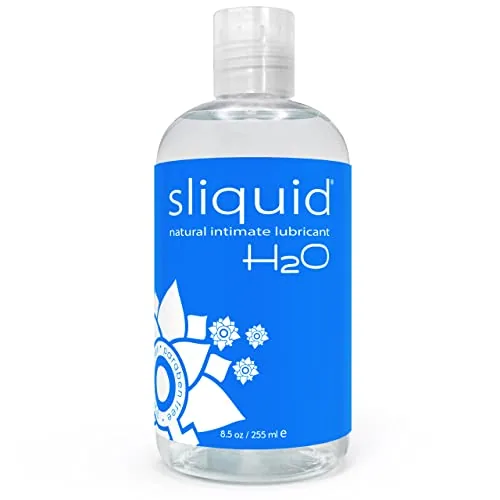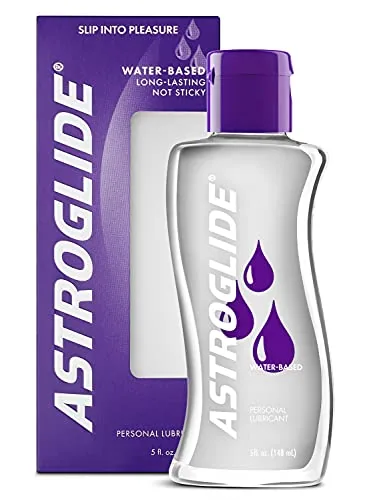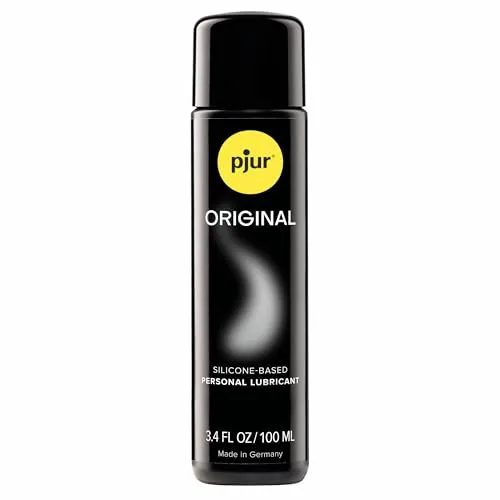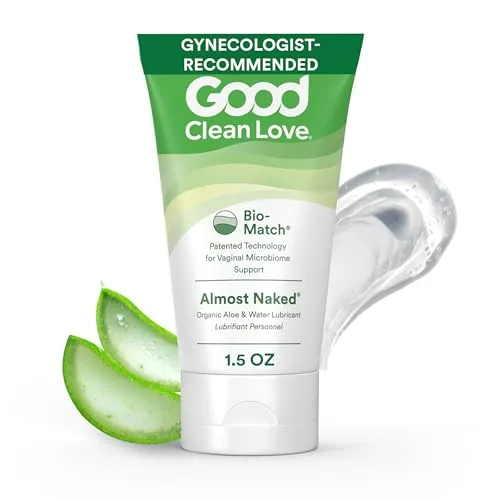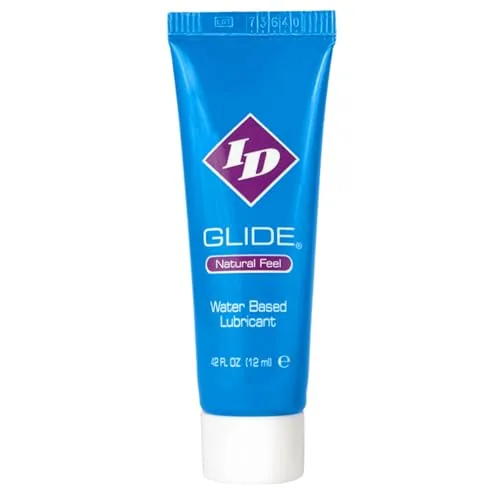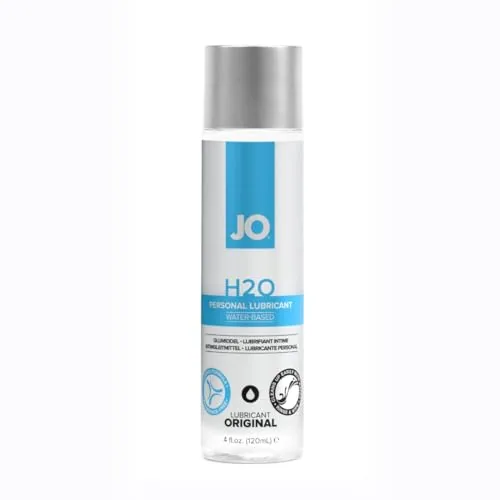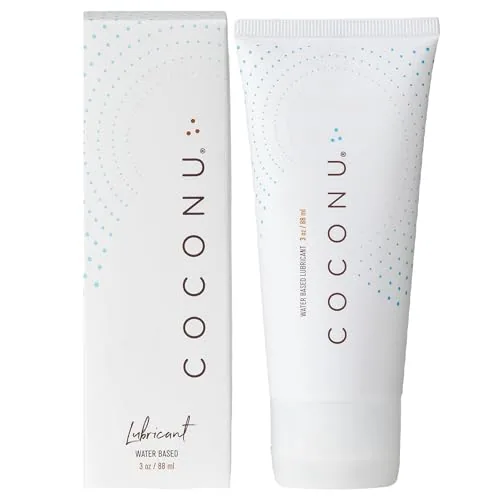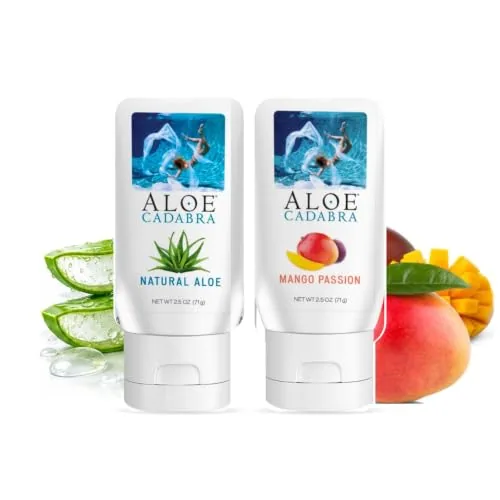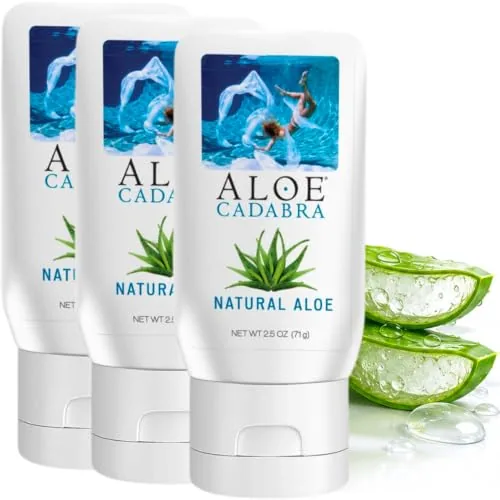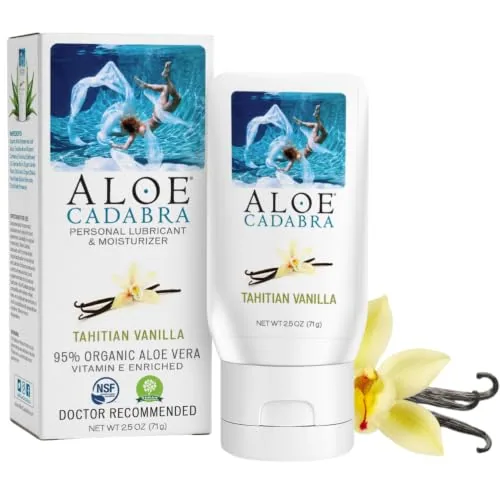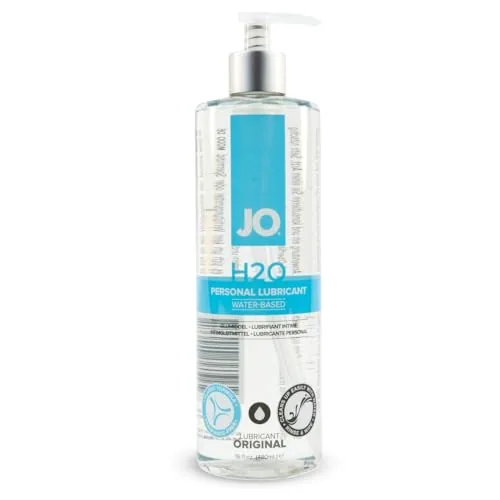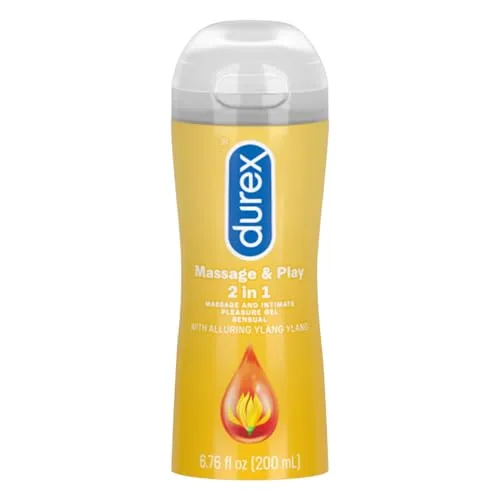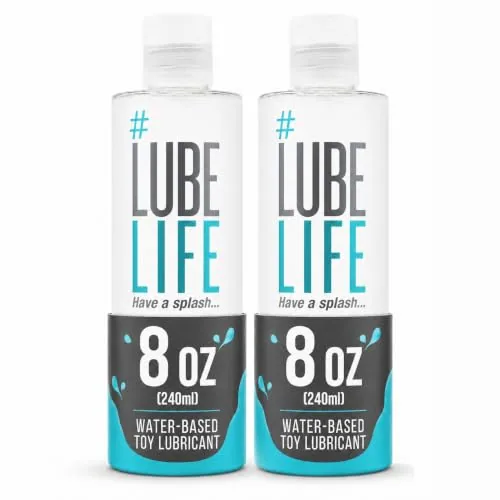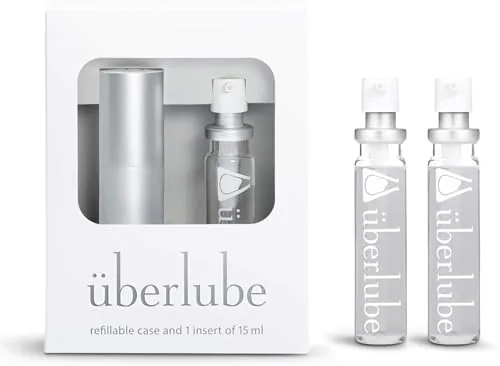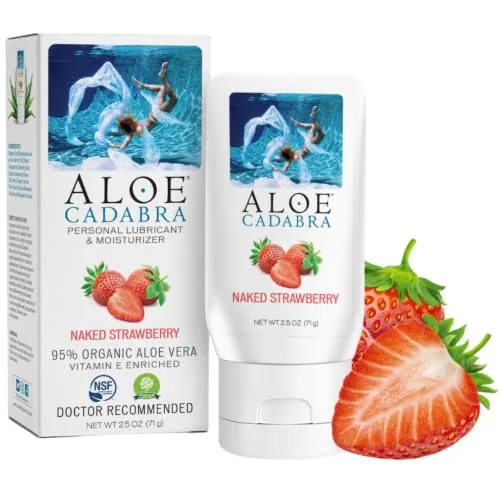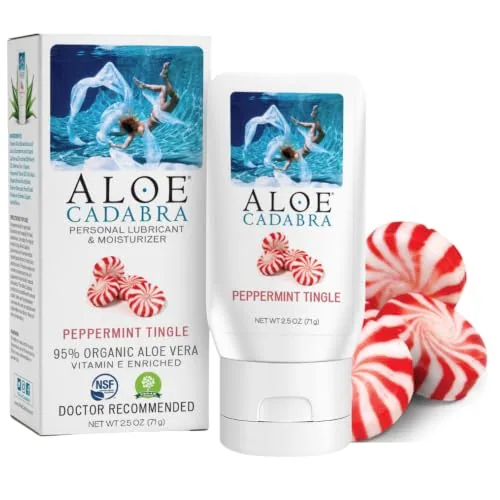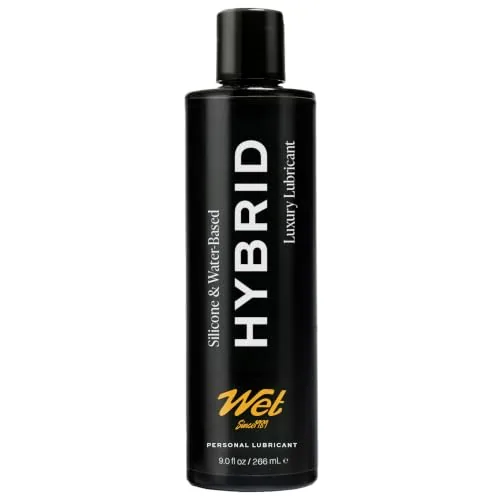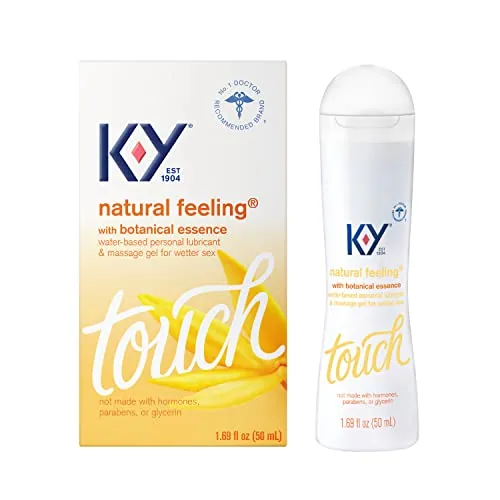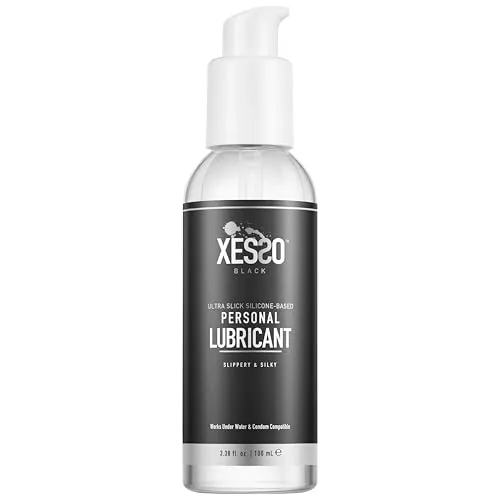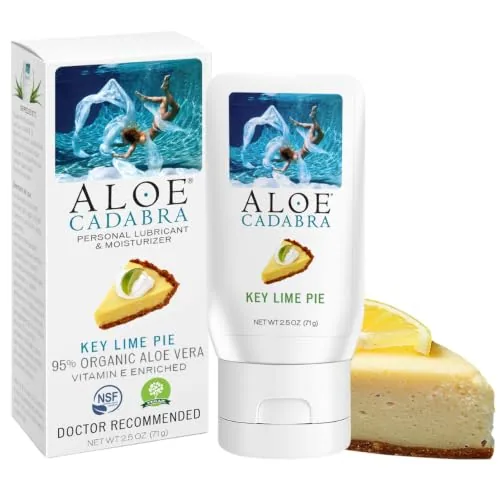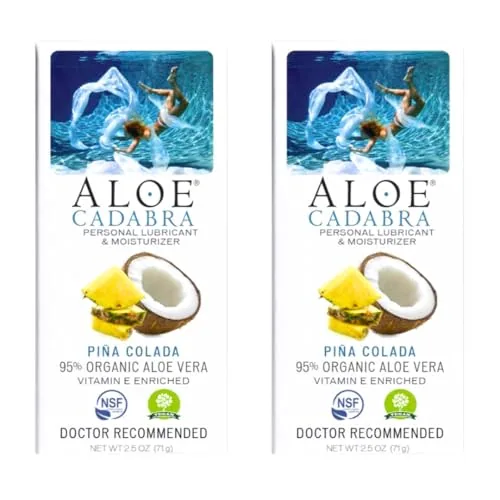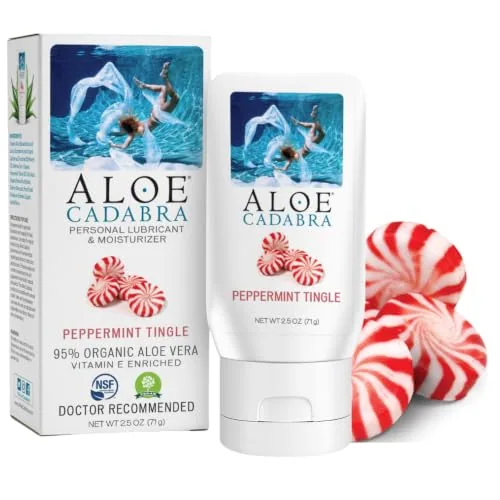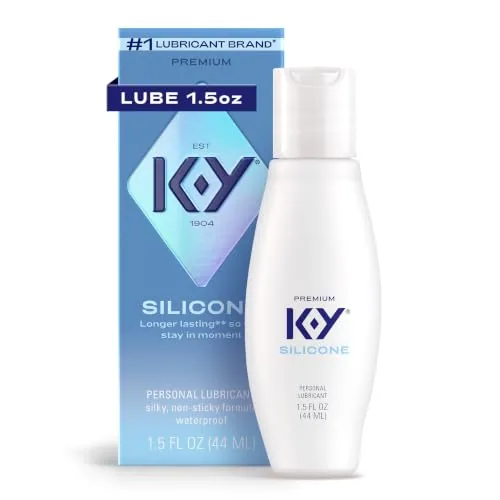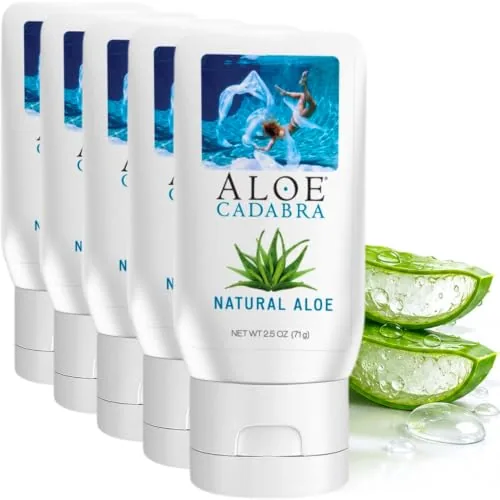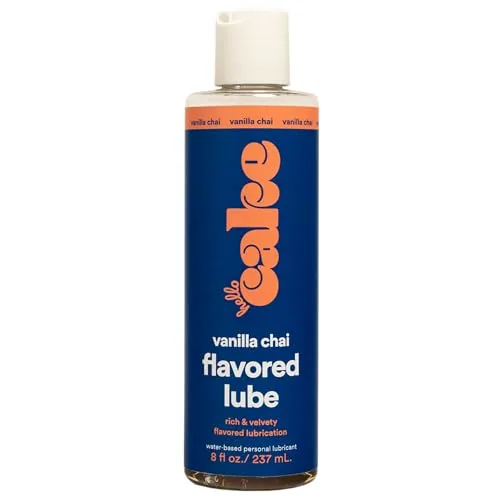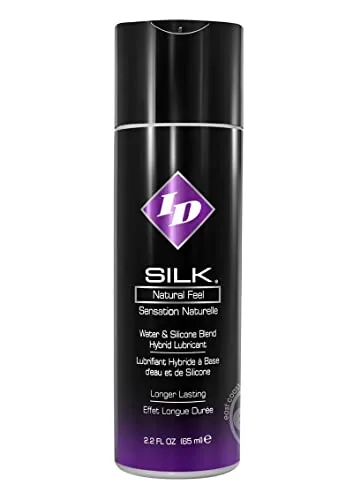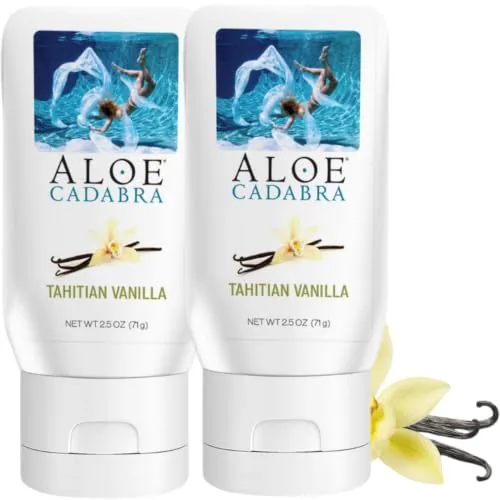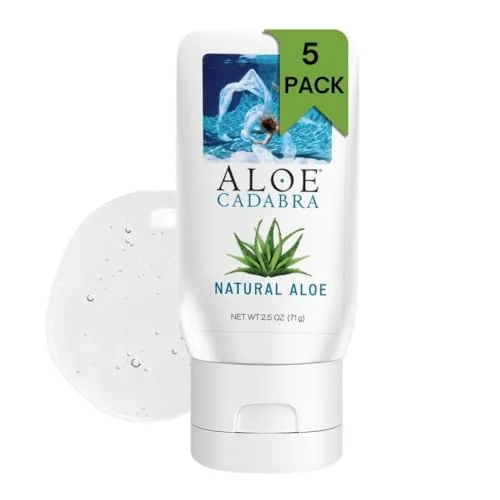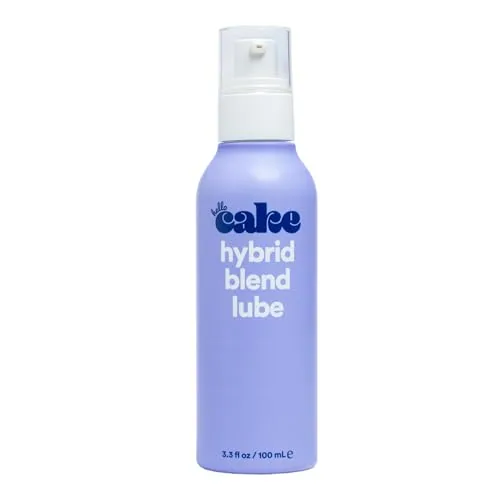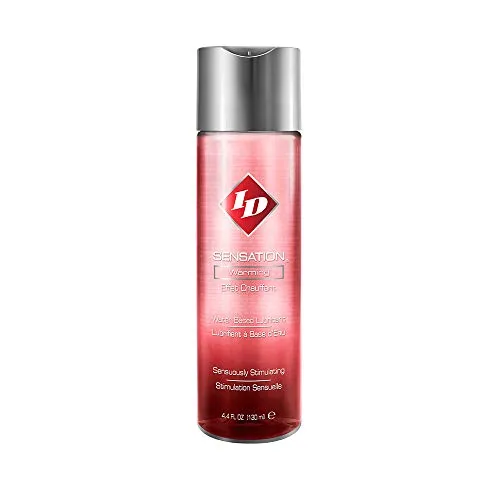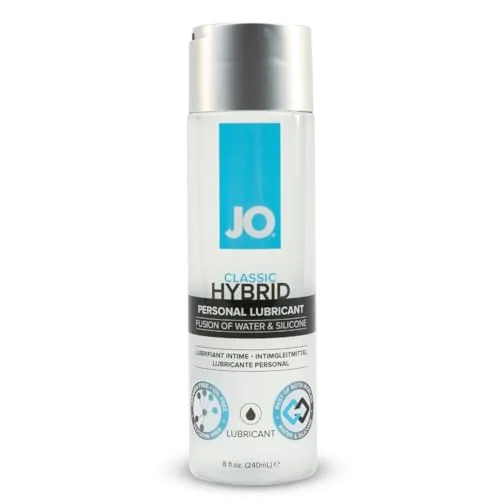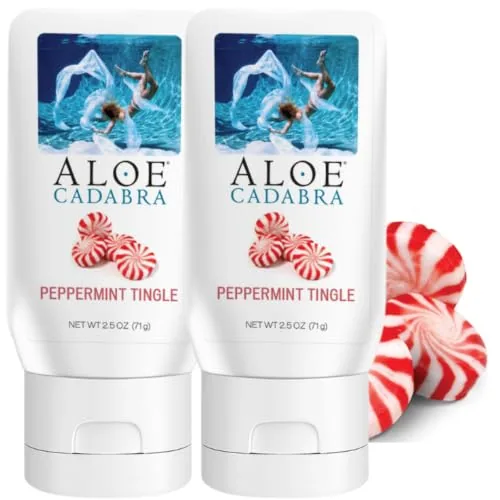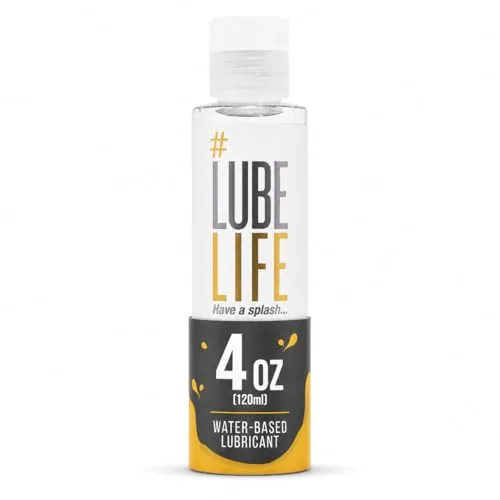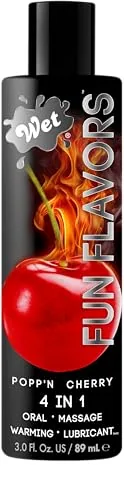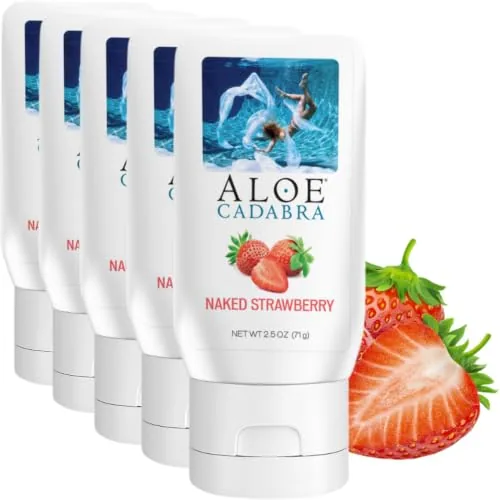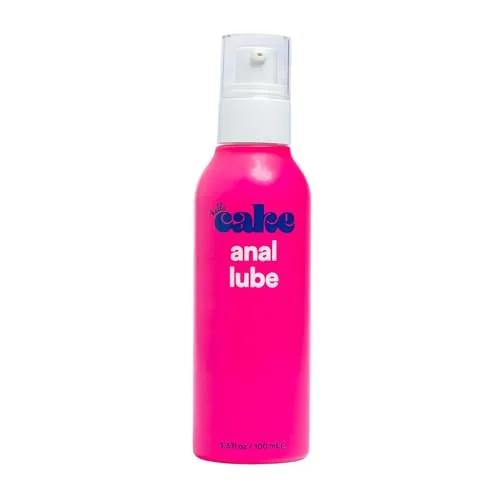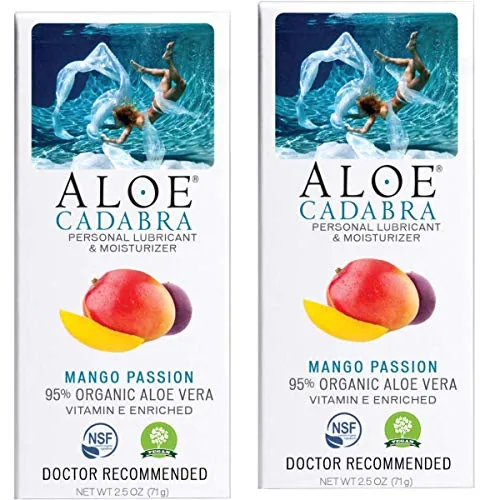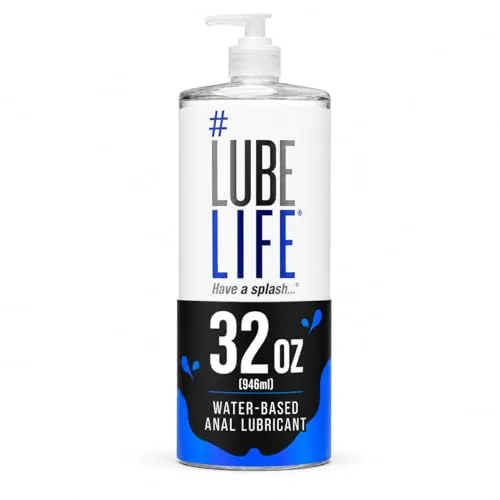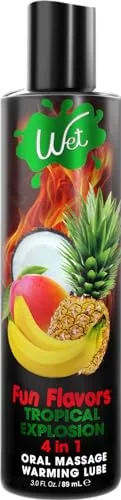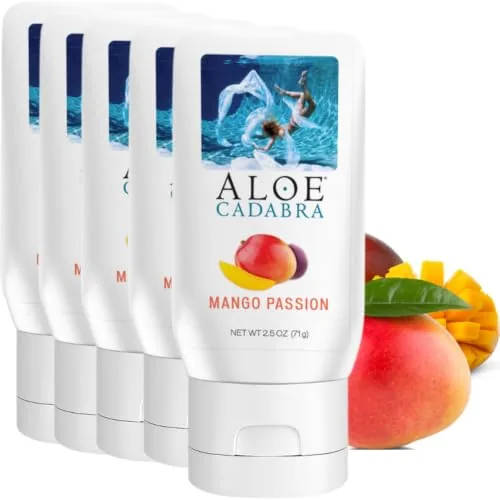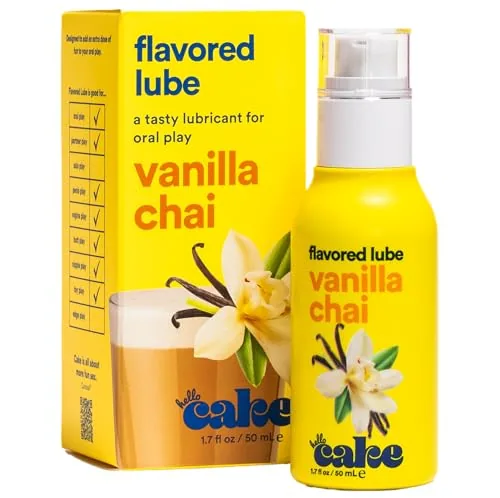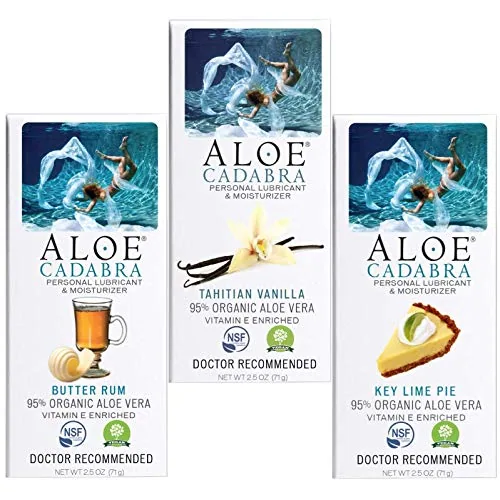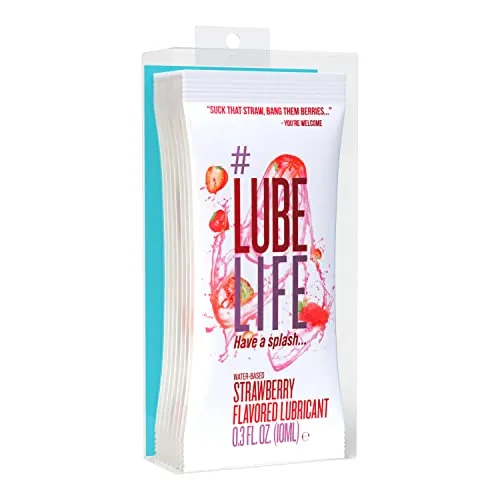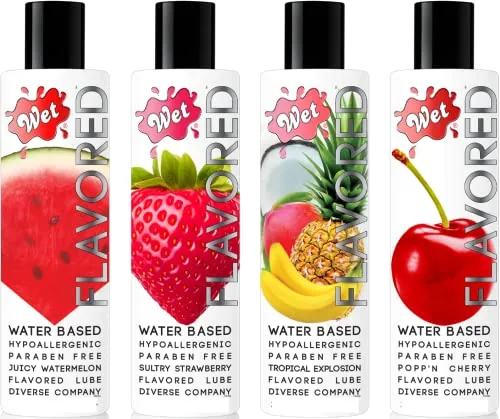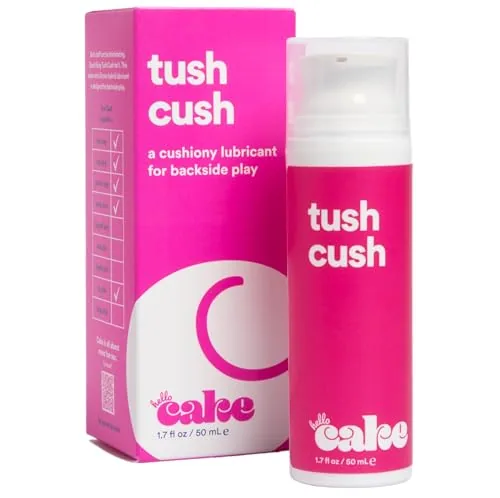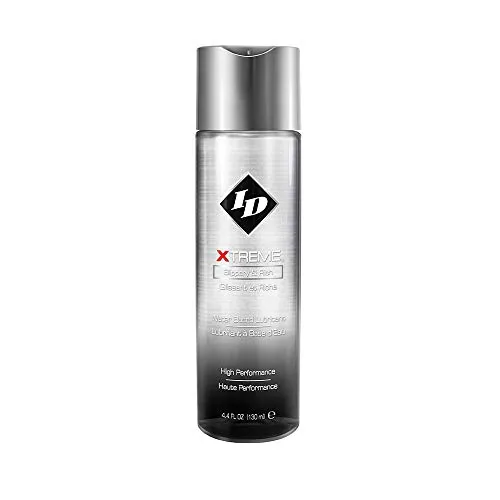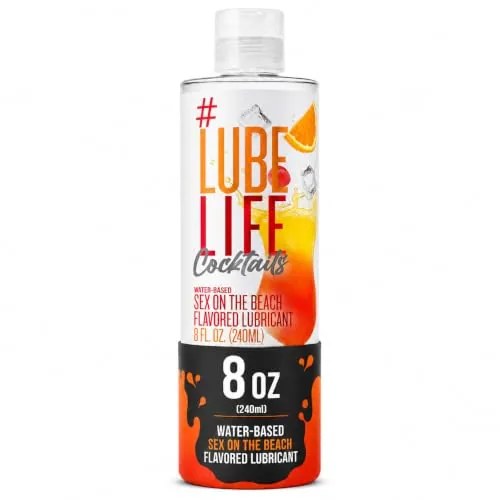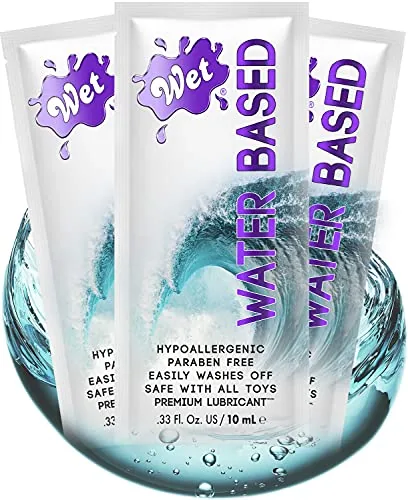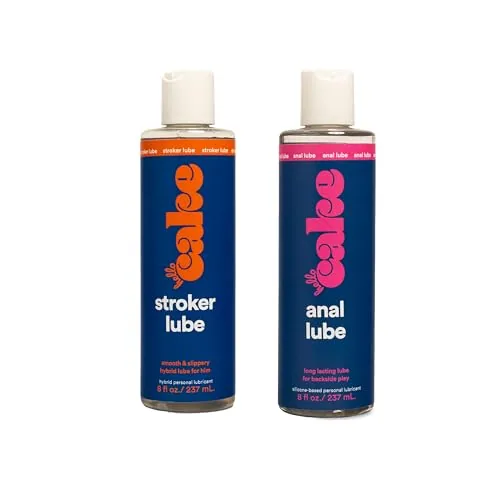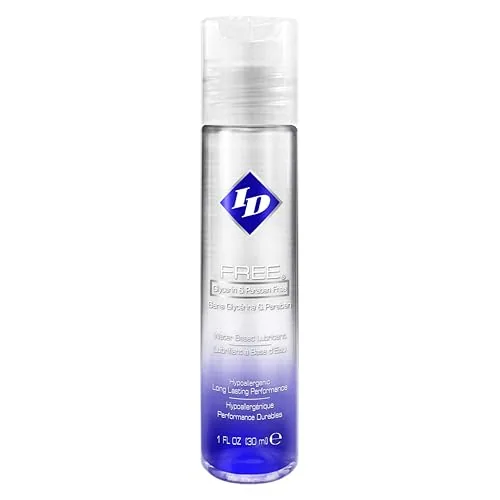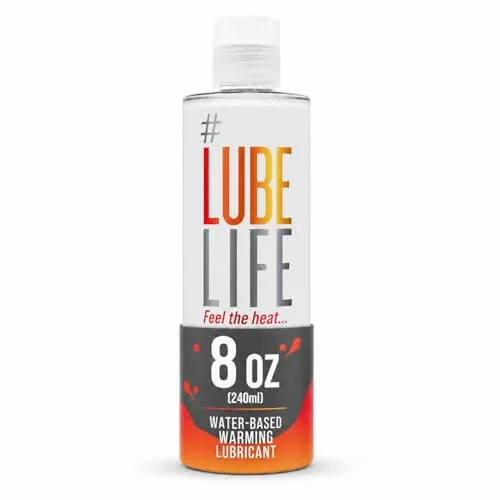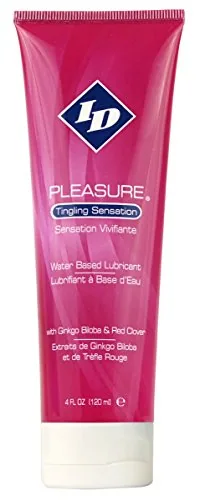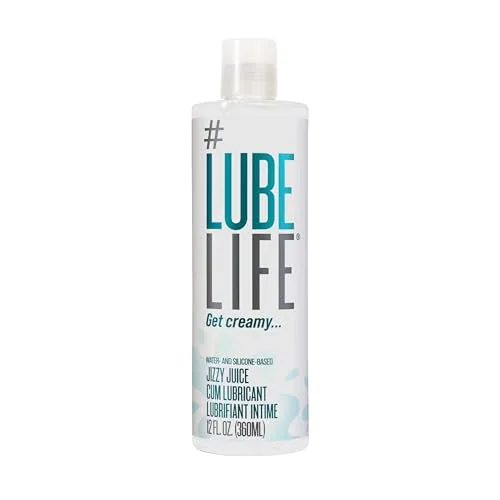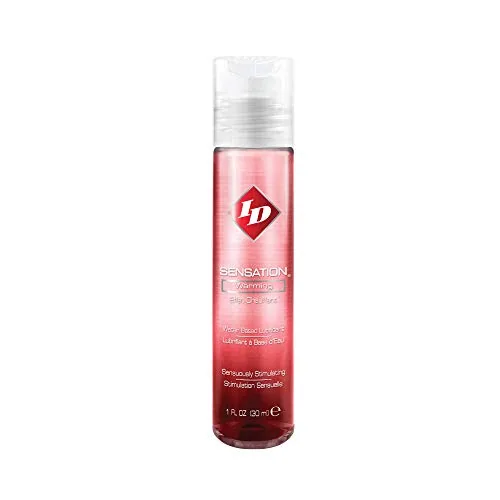
Aloe Cadabra
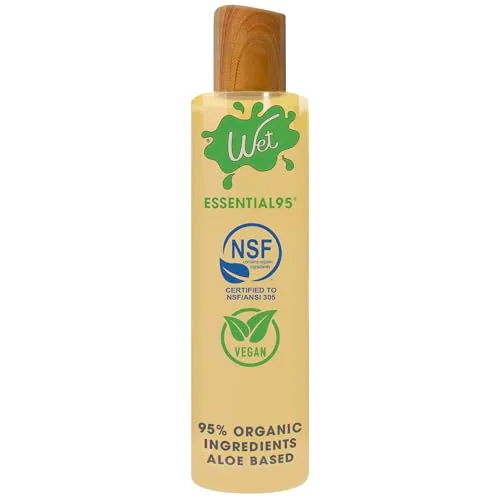
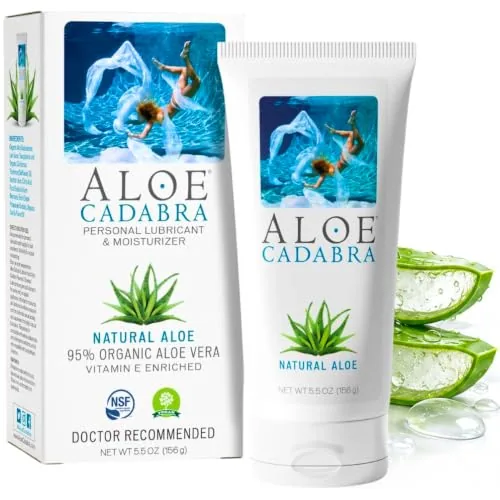
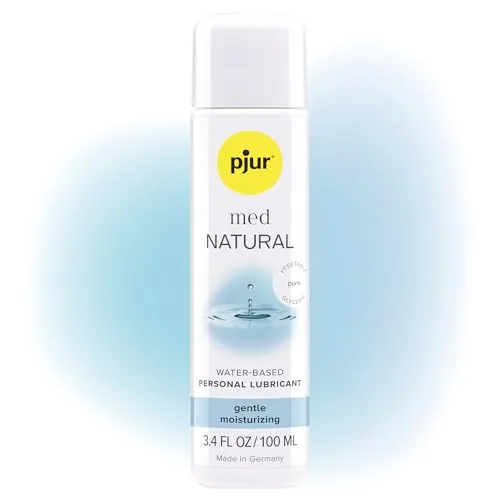
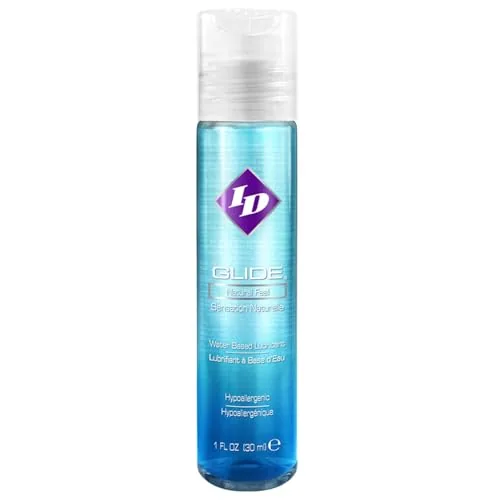
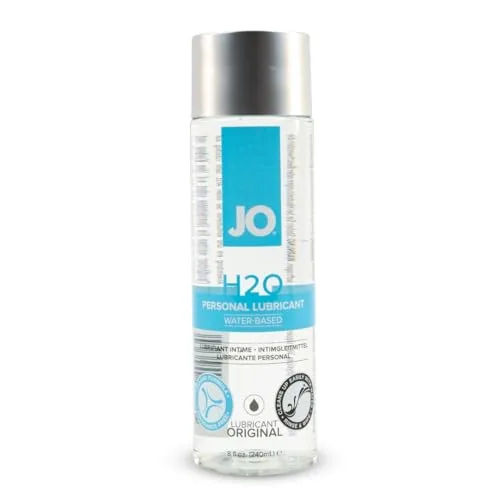
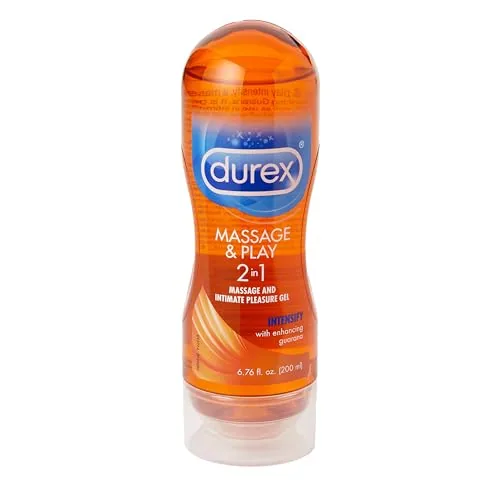
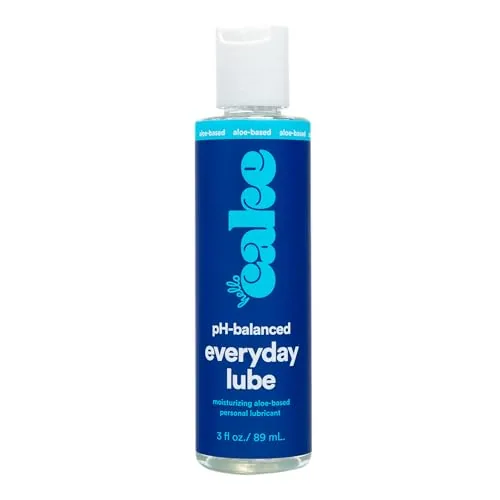
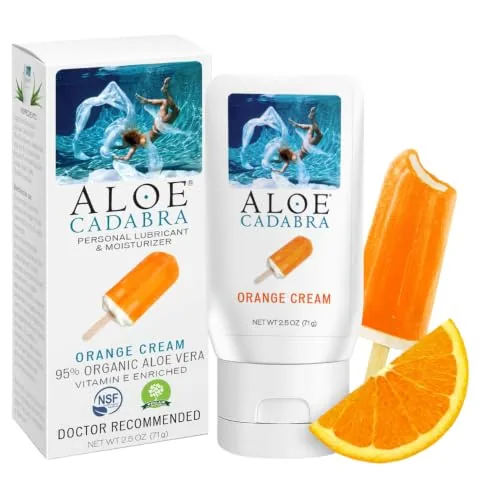
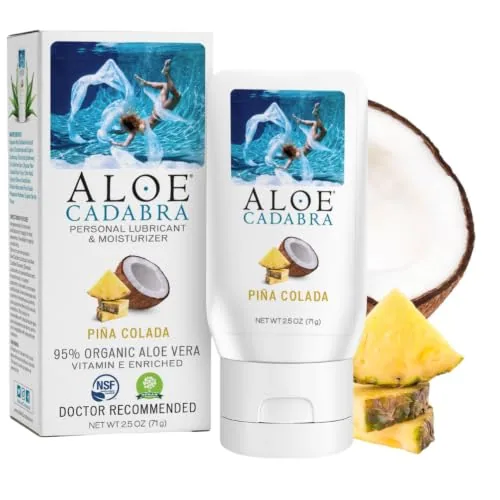
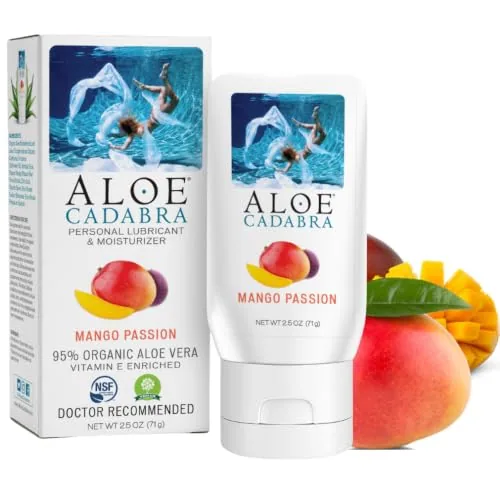
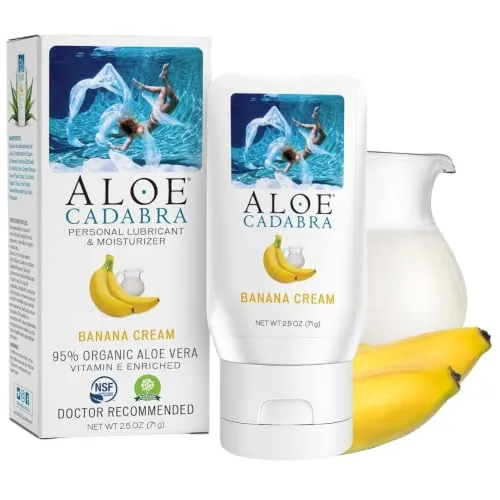
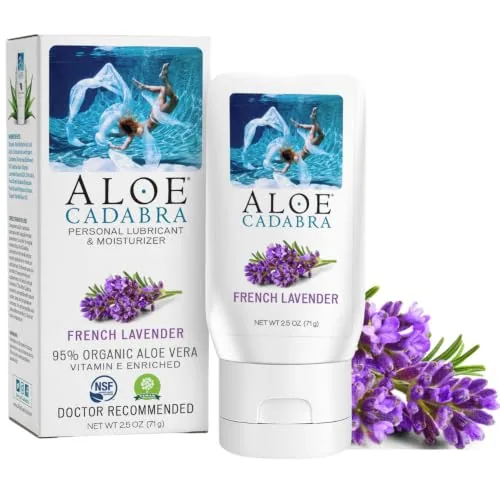
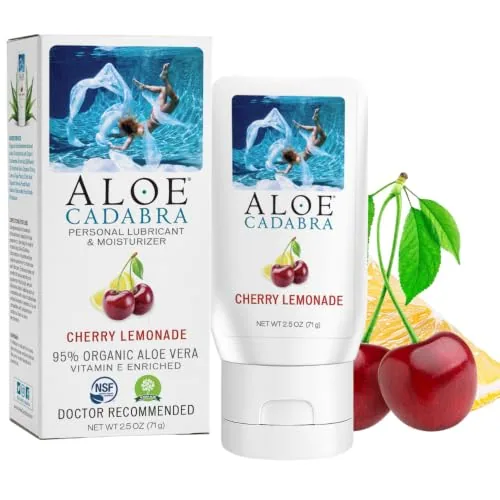
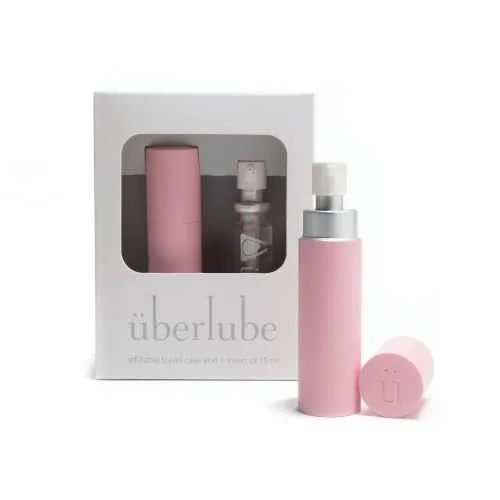
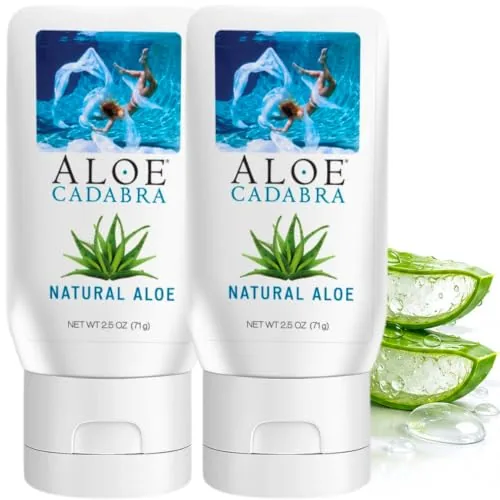
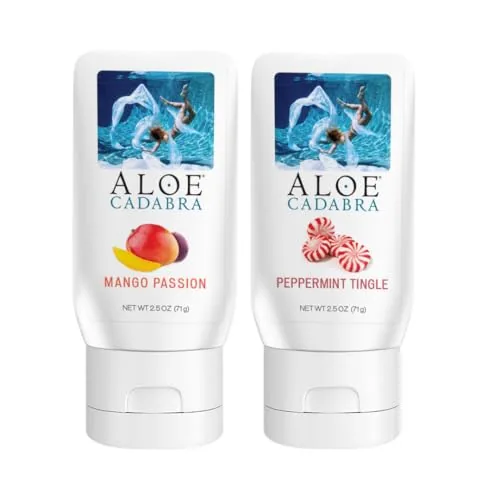
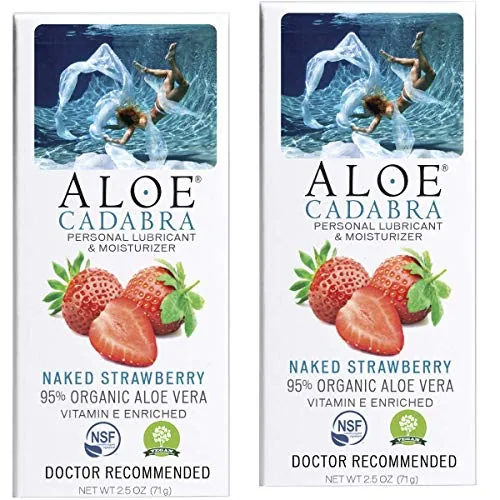
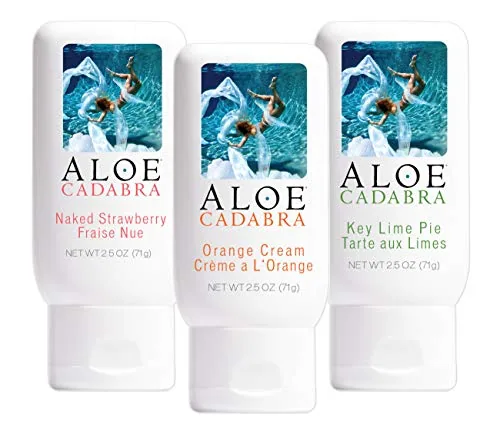
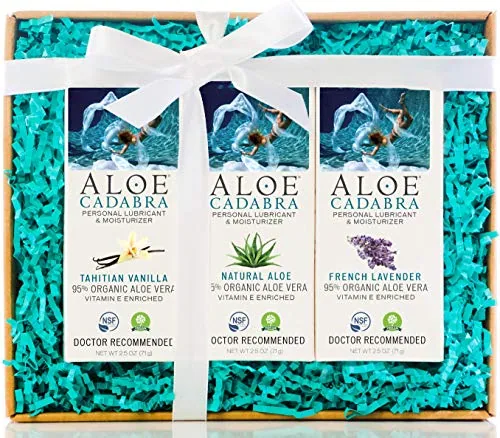
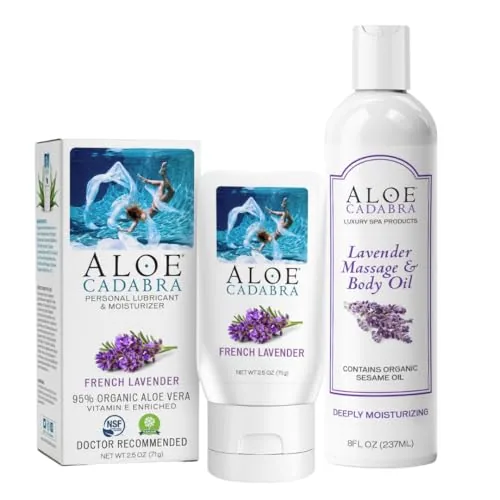
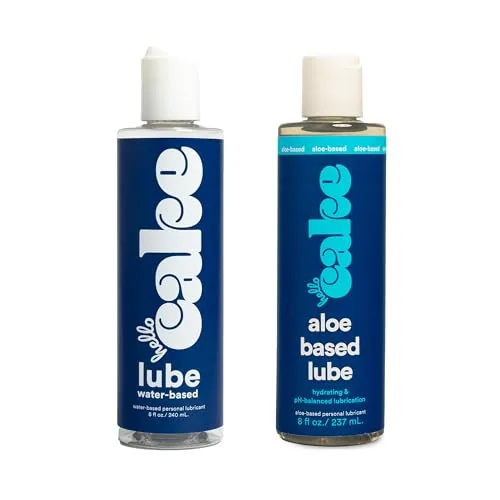
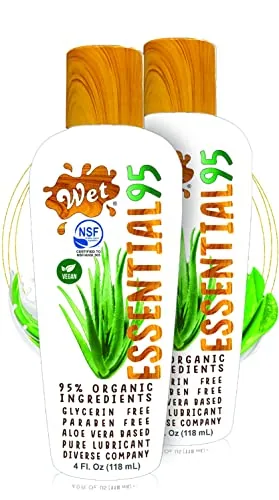
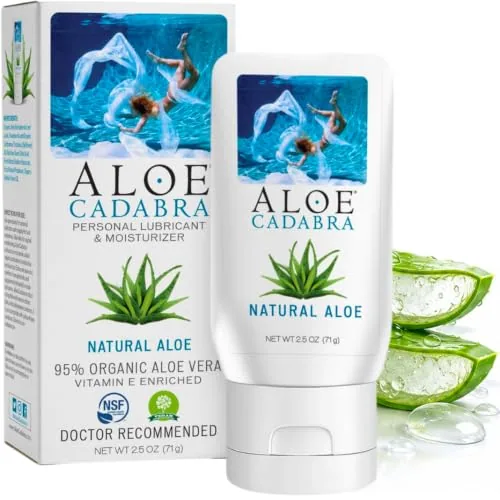
Aloe Cadabra Unscented Aloe Lube, 2.5 oz
- Unscented aloe base
- pH balanced & vegan
- Free of parabens & glycerin
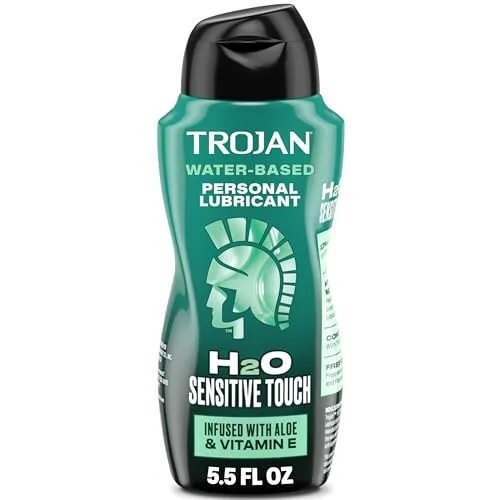
Condom-safe lube is a formula the maker states is compatible with latex and polyisoprene condoms, plus the oils and household products to leave out.
No product matches every filter.
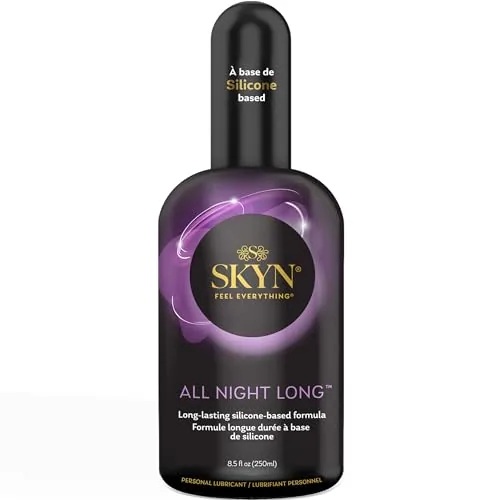
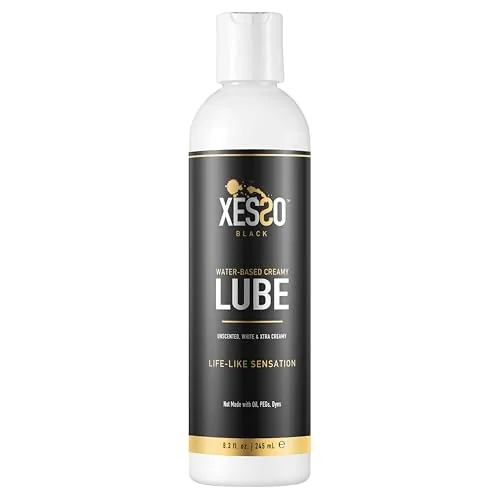
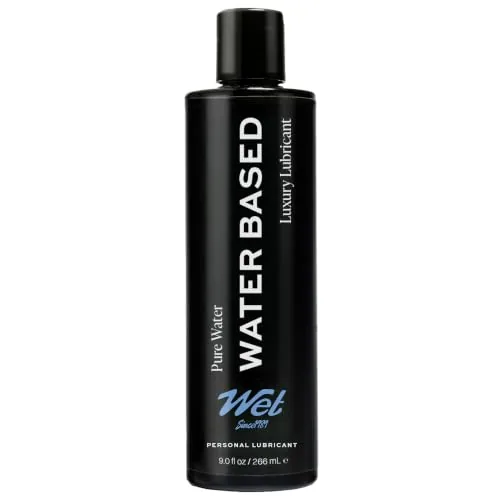
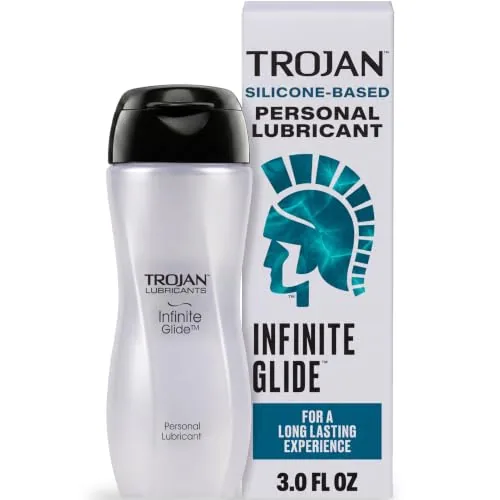
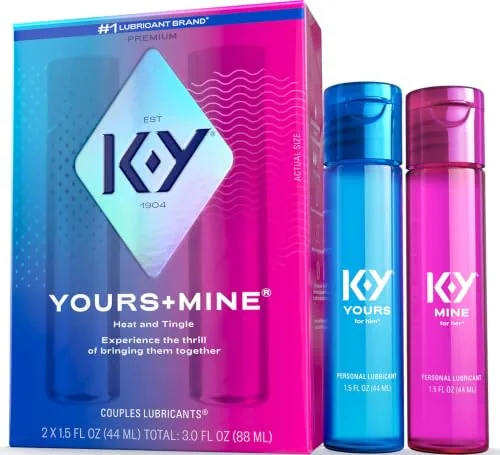
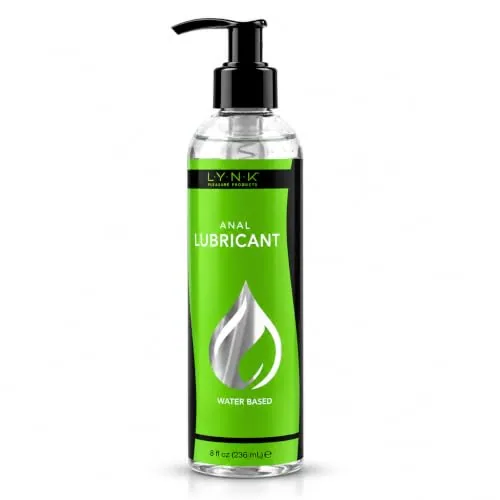
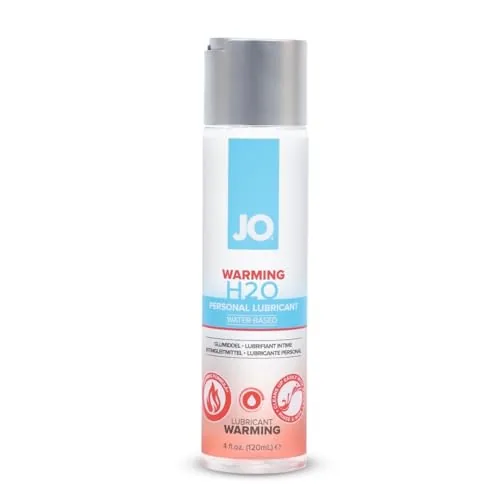
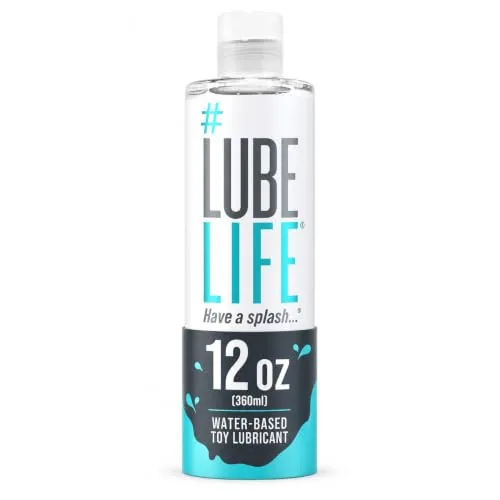
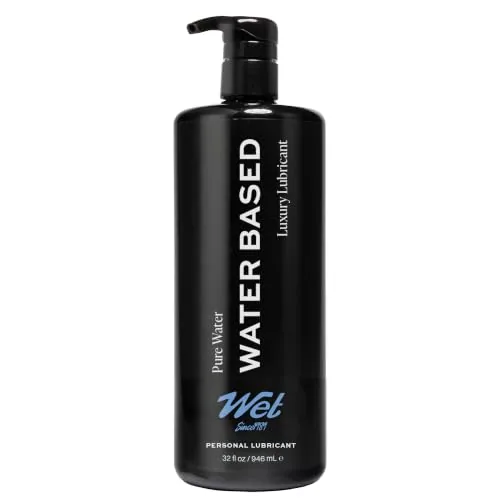
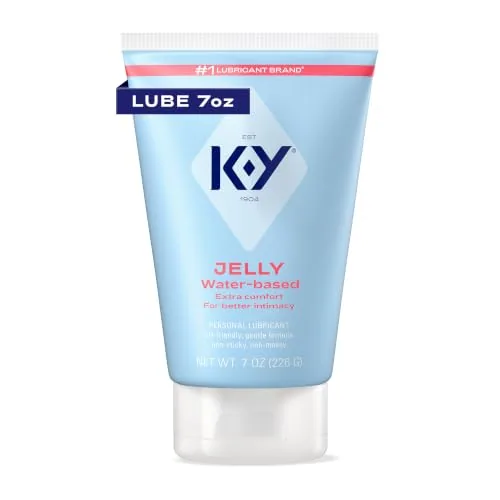
Water-based, silicone and glycol-based lubricants are compatible with latex condoms, according to the WHO, so a latex-safe lube is easy to find. Polyisoprene is as sensitive to oil as latex, while polyurethane condoms tolerate almost any safe lubricant. So the base matters, whether you are choosing lube for latex condoms or polyurethane ones, and so does the maker's compatibility statement on the label.
Oils are the problem. In a 1989 laboratory study, 60 seconds of mineral oil cut latex strength by about 90 percent. The WHO lists baby oil, petroleum jelly, coconut oil, cooking oil, body lotions and haemorrhoid cream among products not to use with latex.
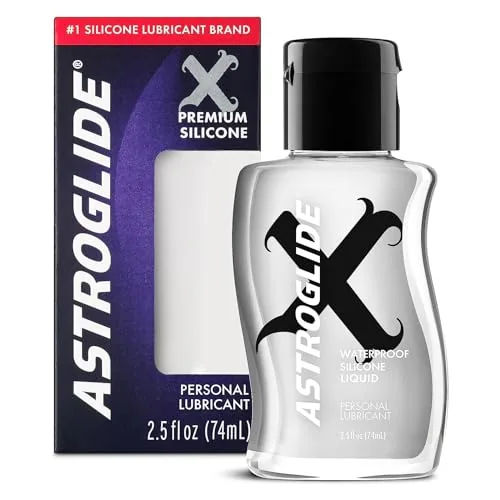
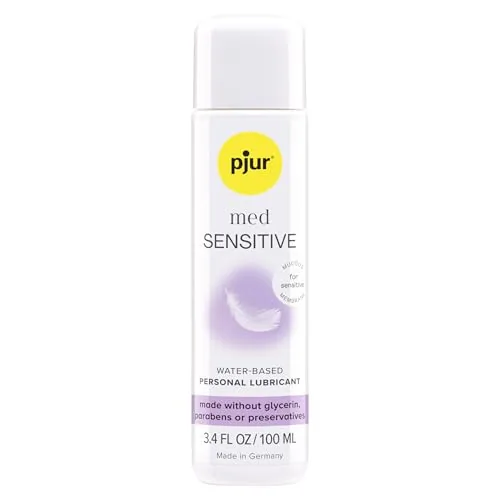
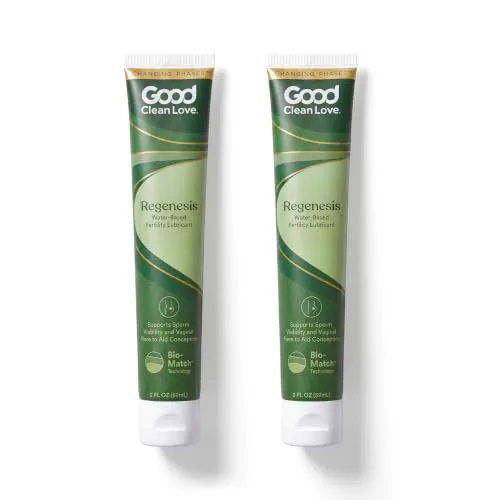
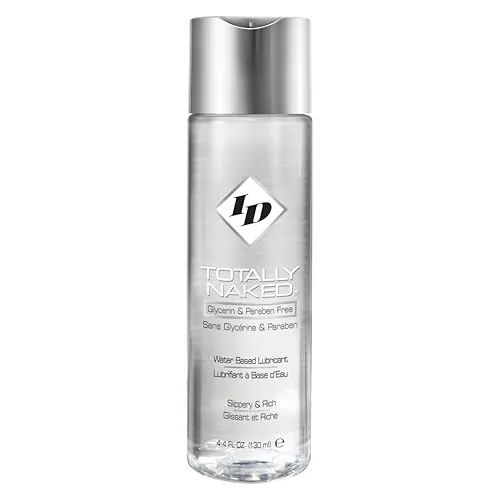
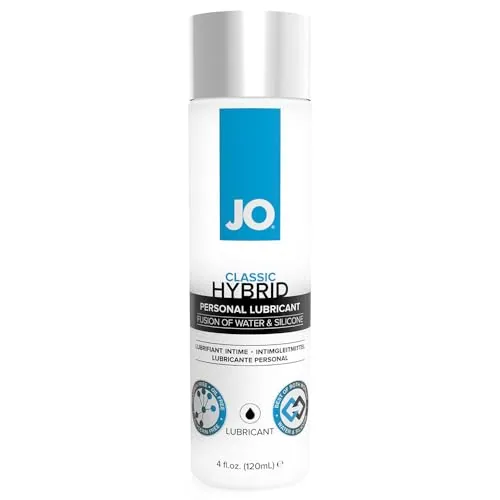
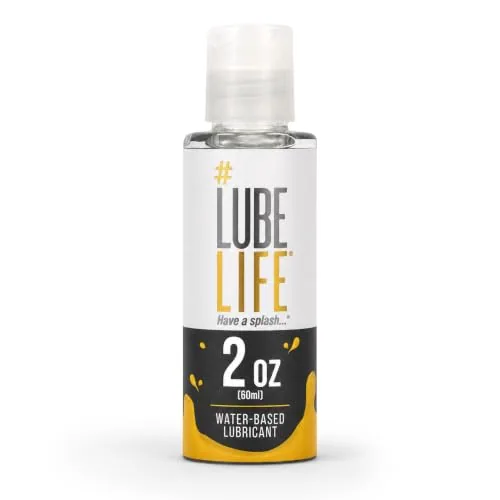
Our lube and condoms guide has a full compatibility chart, and you can see our favorites in best condom-safe lubes.
For new condoms used vaginally, the breakage rate was 2.4 percent either way, and the WHO calls the vaginal evidence equivocal.
| Lubricant base | Latex | Polyisoprene | Polyurethane |
|---|---|---|---|
| Water-based | ✓ Yes | ✓ Yes | ✓ Yes |
| Silicone | ✓ Yes | ✓ Yes | ✓ Yes |
| Oil or butter | ✗ No | ✗ No | ~ Check label |
| Petroleum jelly, lotion | ✗ No | ✗ No | ~ Check label |
Generally yes with latex and polyisoprene. Still check the maker's compatibility statement.
Not with latex or polyisoprene. Oils weaken them within about a minute in lab tests.
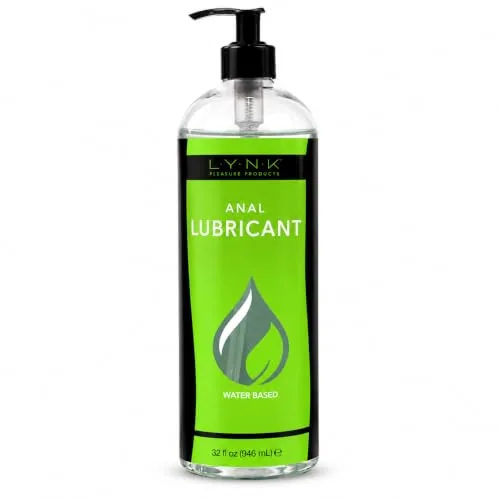
In the WHO data, anal-sex breakage fell from 21.4 to 3 percent with water-based lube. For new condoms in vaginal sex, there was no difference.
The WHO says almost any safe lubricant works with polyurethane, but read the condom maker's guidance.
It is a lubricant that is compatible with condom materials, which for latex and polyisoprene means water-based, silicone or glycol-based formulas rather than oils. The maker's compatibility statement on the label is the best check.