
- Water-based and silicone lubricants are compatible with latex condoms. Oils are not.
- In a lab test, 60 seconds of mineral oil cut latex condom strength by about 90%.
- In one anal-sex study, condom breakage was 3% with added water-based lube vs 21.4% with none.
- Polyisoprene condoms are as oil-sensitive as latex; polyurethane condoms tolerate almost any safe lubricant.
- Always confirm the compatibility line on the lubricant label.
Is lube safe with condoms? Usually yes, as long as you pick the right base. Condoms and lubricant are a team. The right lubricant reduces friction and can make condoms more comfortable and less likely to tear. The wrong one, usually an oil-based lube, can weaken latex in a minute. This guide explains what works with which condom material and what the evidence says.
Most of the numbers below come from a 2012 advisory note by the World Health Organization, UNFPA and FHI 360, plus a well-known laboratory study on oil and latex.
Is lube safe with condoms? Know your condom material
Condoms are made from three main materials, and each behaves differently with lubricants. The WHO note says water, glycol and silicone lubricants are compatible with latex, that polyisoprene is as sensitive to oil as latex, and that almost any safe lubricant works with polyurethane.
| Lubricant base | Latex | Polyisoprene | Polyurethane |
|---|---|---|---|
| Water-based | ✓ Yes | ✓ Yes | ✓ Yes |
| Silicone | ✓ Yes | ✓ Yes | ✓ Yes |
| Oil, butter, petroleum jelly | ✗ No | ✗ No | ~ Usually fine, check pack |
| Hybrid (water + silicone) | ✓ Usually | ✓ Check label | ✓ Check label |
Source: WHO/UNFPA/FHI360 Advisory Note 2012, simplified
A few products make narrower claims. For example, the maker of Aloe Cadabra lists compatibility with latex and polyisoprene condoms but not polyurethane, so the label always wins over a general rule.
Why oil-based lube and latex do not mix
In a 1989 laboratory study, researchers exposed latex condoms to mineral oil for 60 seconds. Burst volume dropped by about 90% (ISO air-burst test). Glycerol for five minutes and aqueous nonoxynol-9 had no significant effect.
Latex condom burst volume after 60 seconds of mineral oil
Relative to untreated condoms (approximate)
The same paper named baby oil and a petroleum-based lotion as damaging too. WHO's list of household products to avoid with latex also includes cooking oil, coconut and palm oil, butter, mineral oil, suntan oil, petroleum jelly, hand and body lotions, haemorrhoid cream and burn ointment.
Does extra lube really help condoms?
The strongest evidence is for anal sex. WHO cites a study in which condom breakage was 3% when a water-based lubricant was supplied and 21.4% with no added lubricant.
For vaginal sex the picture is milder, and WHO describes the evidence as equivocal. With condoms that had been stored for a year, breakage was 4.5% without added lubricant and 2.1% with it. With new condoms it was 2.4% either way.
Condom breakage with and without added water-based lubricant
The takeaway on condom breakage is not that every condom will break without lube, only that a compatible lubricant is a sensible extra, especially when friction is higher or condoms are older. Lubricated condoms already carry some lubricant, and a compatible extra is fine. Check expiry dates on condoms too.
Picking a condom-compatible lubricant
Look for an explicit statement on the pack that the lube is condom-safe or latex-safe. Our condom-safe category collects formulas whose makers state compatibility. A few examples drawn from their listings:
- Water-based: Trojan H2O Closer is described as working with Trojan latex condoms, and Sliquid H2O is described as compatible with toys and condoms.
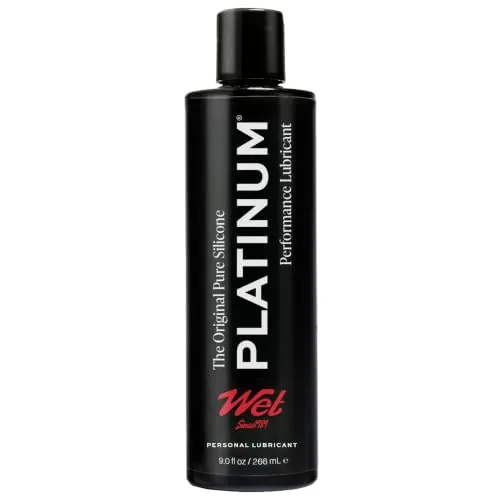
- Silicone: Uberlube is listed as latex safe, and Wet Platinum as safe for latex condoms.
- Hybrid and other: check the label line by line, since formulas vary.
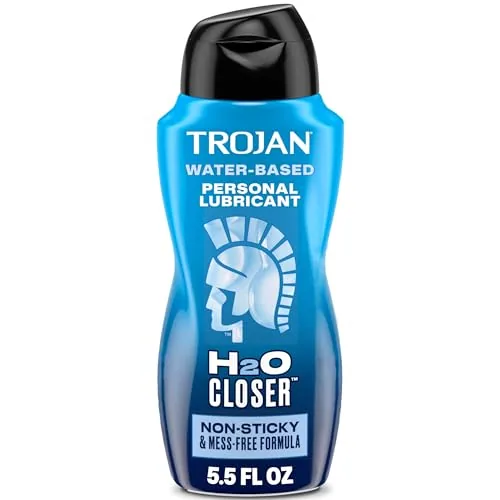
Trojan H2O Closer Water-Based Lube, 5.5 fl oz
- Vitamin E and hyaluronic
- Fragrance and dye free
- Non-sticky
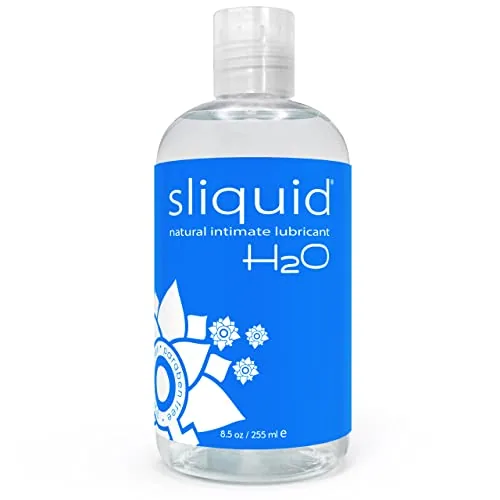
Sliquid H2O Water-Based Lube, 8.5 oz
- Glycerin & paraben free
- Fragrance free & vegan
- Toy & condom compatible
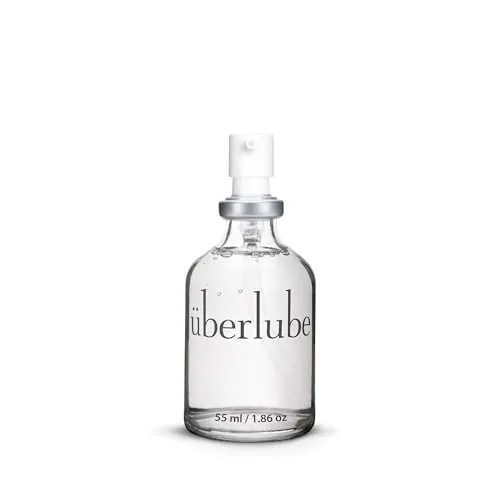
Uberlube Premium Silicone Lube, Unscented, 55 ml
- Unscented and flavorless
- Waterproof
- Latex condom safe
See also our choosing guide and the oil vs water-based comparison.
Applying lubricant with a condom, step by step
Technique matters as much as product choice. A simple routine keeps things comfortable and the condom intact:
- Check the condom's expiry date and open the wrapper with your fingers, not teeth or scissors.
- Put the condom on the erect penis, pinching the tip so there is room for semen.
- Add a few drops of water-based or silicone lubricant to the outside of the condom. A small drop inside the tip is also fine for many couples, though too much inside can make the condom slip.
- Add more lubricant as needed during sex, and stop to replace the condom if it slips or tears.
- Dispose of the condom in the bin, never the toilet.
If you are switching between a toy and a partner, change the condom between uses and keep toys and condoms matched to the right lubricant. Our toy compatibility guide covers the rules for toys.
Other things to watch for
- Spermicide additives. WHO says nonoxynol-9 has significant irritant effects and its use is not recommended.
- Flavored or warming formulas. Some contain ingredients that irritate sensitive skin. Test first.
- Do not reuse a condom or re-lubricate in a way that lets the condom slip. Add lubricant on the outside, and a drop inside the tip if you like.
Questions
Can I use silicone lube with latex condoms?
Yes. Silicone lubricants are compatible with latex condoms according to the WHO note, but avoid silicone lube on silicone toys.
Is lube safe with condoms?
Yes, if the lubricant is compatible. Water-based and silicone lubricants work with latex condoms, while oil-based products do not. Check the label for a condom-safe statement.
Do polyurethane condoms work with oil?
Polyurethane is much less sensitive to oil, but check the condom pack and the lubricant label.
Does lube make condoms slip?
A small amount of compatible lubricant is fine. Too much can reduce grip, so use a modest amount.
Is lube with a built-in condom safe?
Pre-lubricated condoms already contain some lubricant, and adding a compatible one is generally fine if you want more.
Is it safe to use coconut oil with condoms?
No, not with latex or polyisoprene condoms. Oils can weaken the material in as little as a minute.