
- Water-based is the easy everyday default: light, rinses off with water, and works with condoms and every toy material.
- Silicone glides longer from a few drops and keeps working in the shower or bath, but it can damage silicone toys and is harder to wash off.
- In a 5-week diary study of 2,453 women, water-based products were linked to fewer genital symptoms than silicone-based ones.
- Many people keep one of each: water-based for daily use and toys, silicone for long evenings and water play.
Water-based vs silicone lube is the biggest decision in the aisle. If you stood in a store aisle and picked up two bottles, the label difference would be tiny: one says water-based, the other silicone-based. In use, the two feel quite different, and the right choice depends on who you are with, what you are using, and how your body responds.
This guide walks through glide, staying power, clean-up, condoms, toys and comfort. We also point to a couple of products from our catalogue so you can see how real labels describe each type. Browse the full lists in our water-based and silicone categories.
Water-based vs silicone lube: the quick comparison
Here is how the two bases compare on the points people ask about most. Ticks show a clear strength, a tilde means it depends on the product, and a cross means a real limitation.
| Feature | Water-based | Silicone |
|---|---|---|
| Feel | ~ Light, natural, can feel thin | ✓ Silky, cushioned |
| Staying power | ~ Needs a top-up as it absorbs | ✓ A few drops last a long time |
| Shower or bath | ✗ Washes away | ✓ Stays slippery in water |
| Latex condoms | ✓ Yes | ✓ Yes |
| Silicone toys | ✓ Yes | ✗ Can damage them |
| Clean-up | ✓ Rinses with water | ~ Needs soap and water |
| Fabric stains | ✓ Rarely | ~ May mark some fabrics |
| Sensitive skin | ✓ Often gentler | ~ Single-ingredient options exist |
Silicone lubricants are not water-soluble, so they stay on the skin until you wash with soap. One maker of silicone gel notes it "may stain some types of fabric" such as silk, satin and nylon, so a towel under the sheets is smart.
Glide and staying power
Water-based formulas are mostly water plus thickeners, so they soak in and evaporate. That is why a gel can feel fantastic at the start and tacky 15 minutes later. A spritz of water or a small top-up brings the slip back. Thicker gels, such as Sliquid Sassy, last longer than thin liquids, but the trade-off is a heavier feel.
Silicone lubricants are usually a single ingredient or a short blend of silicones. Because they do not absorb, a small amount keeps working for a long time. Maker listings for premium silicone lubes describe the glide as lasting "much longer than water-based lubes", which is the main reason people choose them for long sessions, friction-heavy moments and travel.
Condoms and toys
Both bases are fine with latex and polyisoprene condoms. The WHO advisory note on lubricants says water, glycol and silicone lubricants are compatible with latex, while oils are not. In its review of anal-sex studies, the same note cites condom breakage of 3% with a water-based lubricant against 21.4% with none, which shows how much added lubrication matters. See our lube and condoms guide for the full picture.
Toys are where the two split. Silicone lube can soften or roughen silicone toys, so water-based is the safe pairing for them. Product labels often say this plainly: a leading silicone formula is described as safe for "non-silicone toys", and a hybrid from JO is listed as not for silicone toys. When in doubt, test a drop on the base of the toy or check our toy-safe picks.
Comfort, dryness and sensitive bodies
In the largest diary study to date, 2,453 women tracked six water- or silicone-based lubricants for five weeks. Lubricant use was linked with higher pleasure and satisfaction, and water-based products were associated with fewer genital symptoms than silicone-based ones. The researchers could not say that silicone itself is the cause, so treat it as a signal rather than a verdict.
For vaginal dryness around menopause, the North American Menopause Society lists non-hormonal lubricants used during sex, plus regular long-acting moisturizers, as first-line care for milder genitourinary symptoms. Water-based gels are the usual starting point, and many are marketed for sensitive skin (see dryness & menopause). If pain or dryness keeps coming back, please talk with a clinician.
Osmolality matters for water-based products. The WHO ideal is 380 mOsm/kg or less and 1,200 is the interim upper limit, yet lab tests from 2010 to 2014 found many popular gels far above that. Silicone has no water to measure this way, and in one lab study both silicone products tested were among the safest. Our osmolality guide explains the numbers.
How the market splits
Personal lubricant sales by base, 2025
Share of global value, one publisher's estimate
Market reports differ widely between publishers, so read this split as indicative. It does match what shoppers tell us: water-based is the default, and silicone is the "upgrade" people reach for once they know what they want.
Products to try
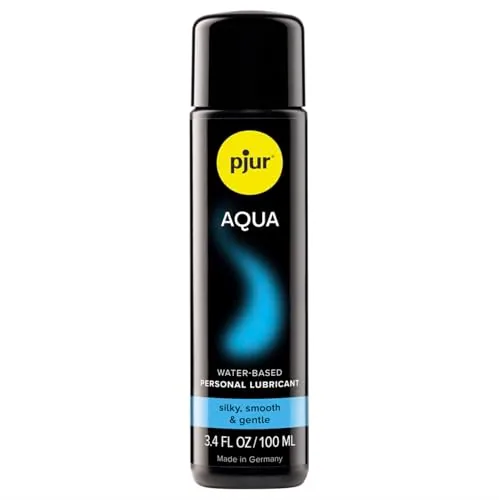
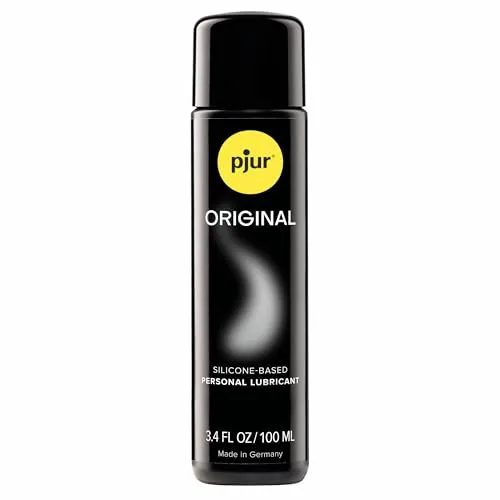
These four show the contrast clearly. Each base gets one everyday pick and one pick built for a specific use.
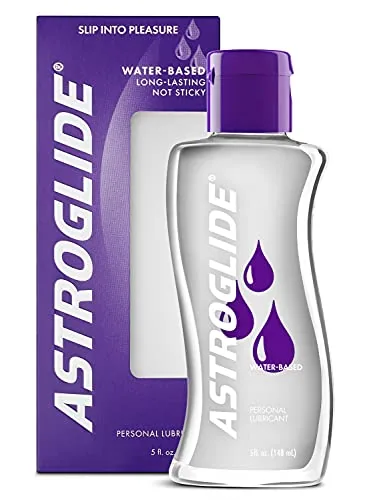
Astroglide Liquid Water-Based Lube, 5 oz
- Classic liquid formula
- Water-based
- Condom & toy safe
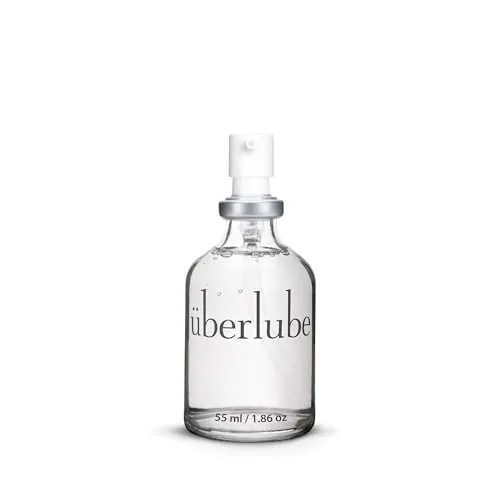
Uberlube Premium Silicone Lube, Unscented, 55 ml
- Unscented and flavorless
- Waterproof
- Latex condom safe
| Product | Base | Latex condoms | Silicone toys | Best for |
|---|---|---|---|---|
| pjur Aqua | Water | ✓ Yes (label) | ✓ Toy-safe (label) | Daily use |
| Astroglide Liquid | Water | Not stated | Not stated | Slick, grease-free glide |
| pjur Original | Silicone | ✓ Yes (label) | Not stated | Concentrated, preservative-free |
| Uberlube | Silicone | ✓ Latex-safe (travel listing) | Not stated | Long, waterproof sessions |
Source: Maker listings
Questions
Can I use water-based and silicone lube together?
Yes, many people layer a few drops of silicone over a water-based base for extra staying power. Check the toy rule first, because silicone on a silicone toy can damage it.
Is silicone lube safe with condoms?
Silicone lubricants are compatible with latex condoms according to the WHO advisory note. Always read the label, since some makers also state which non-latex condoms they cover.
Which base is better for vaginal dryness?
Water-based gels and regular vaginal moisturizers are the usual first step for milder dryness. If symptoms persist or you have pain, see a clinician.
Why does my water-based lube get sticky?
As the water absorbs or evaporates, thickeners and humectants are left behind. A drop of water or a small top-up usually restores the slip.
Does silicone lube wash out of sheets?
It can leave marks on some fabrics. Wash with soap or detergent, and put a towel down if you use a lot.
Water-based vs silicone lube: which is better?
Water-based is the easy everyday default and works with every toy material. Silicone lasts longer and suits shower play, but it is harder to wash off and can damage silicone toys.