
- Water-based is the easy default: it works with latex condoms and every toy material, and it rinses off with water.
- Silicone lasts longest and works in the shower, but it should not be used on silicone toys.
- Oil and butter formulas feel rich and double as massage oil, but oil can weaken latex condoms.
- Hybrid blends water and silicone for a long glide with easier clean-up.
- About 65.5% of US women and 70% of US men have used a commercial lubricant, so you are in very good company.
Walk into any pharmacy and the different types of lube can feel like a wall of choices. The good news is that one question does most of the work: what is the base of the formula? The base decides how the lubricant feels, how long it lasts, what it can be used with and how easily it washes away.
This guide walks through the four main bases in plain language, then gives you a short checklist for choosing a personal lubricant by ingredients, condom compatibility and toy safety. Lubricant is a normal, widely used part of intimacy: in a nationally representative US survey, 65.5% of women and 70% of men reported having used a commercial lubricant at some point. If you have persistent dryness or pain, it is worth mentioning to a clinician as well.
Why lubricant is worth having at hand
Most people use lubricant to make things more comfortable and more fun, and the numbers show it is mainstream. Among women, 58.3% who had used lubricant said they used it during intercourse and 49.6% during partnered sexual play.
A daily-diary study of 2,453 women found that lubricant use was linked with higher ratings of pleasure and satisfaction, and water-based products were associated with fewer genital symptoms than silicone-based ones in that study. That is one reason water-based formulas are the usual starting point.
The four types of lube at a glance
Here is how the main bases compare on the things people ask about most. Always check the individual label, because a brand can add ingredients that change the picture.
| Feature | Water-based | Silicone | Hybrid | Oil / butter |
|---|---|---|---|---|
| Latex condoms | ✓ Yes | ✓ Yes | ✓ Usually | ✗ No |
| Silicone toys | ✓ Yes | ✗ No | ~ Check label | ~ Check label |
| Shower or bath | ~ Fades | ✓ Yes | ✓ Good | ~ Varies |
| Easy clean-up | ✓ Rinses off | ~ Needs soap | ✓ Easier than silicone | ~ Can stain |
| Lasts a long time | ~ May need a top-up | ✓ Yes | ✓ Yes | ✓ Yes |
| Massage use | ~ Short | ✓ Some brands | ✓ Some brands | ✓ Yes |
For more detail, see our category pages for water-based, silicone, hybrid and oil and butter lubricants.
Water-based: the everyday default
Water-based lubricants are the most popular type by a wide margin. One market report puts water-based products at about 54.9% of 2025 global sales, ahead of silicone at 28.4%.
Global lubricant sales by base, 2025
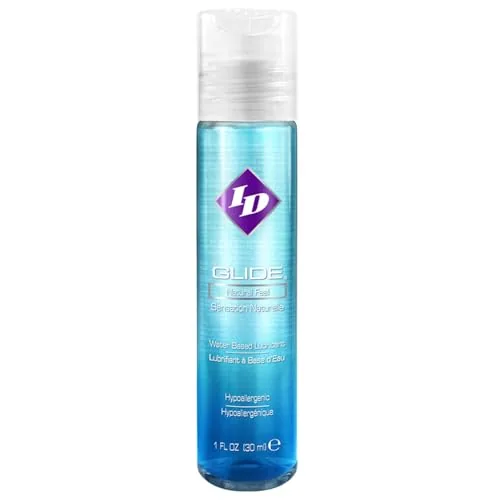
They are compatible with latex condoms and with silicone toys, and they wash off skin and fabric easily. The trade-off is that water absorbs or evaporates, so you may need to add a little more during longer sessions. Some formulas are thick gels, others thin liquids, and if your skin is reactive it is worth checking the ingredient list for glycerin. Brands such as Sliquid and ID Lubricants make popular examples; the maker of ID Glide describes it as rinsing off with water and as both toy friendly and condom compatible.
Our water-based vs silicone comparison goes deeper on the trade-offs.
Silicone, hybrid and oil: when each shines
Silicone
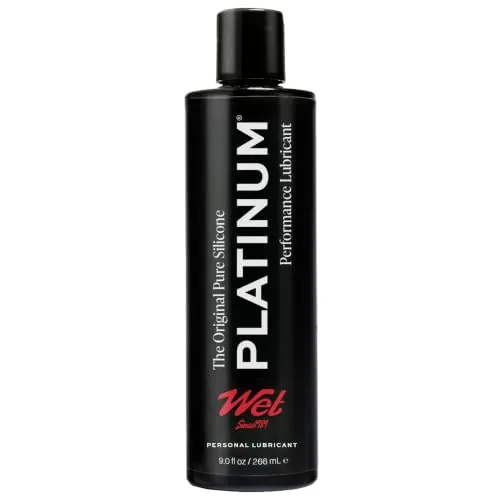
Silicone lubricants feel silky and last far longer than water, and they keep working in the shower or bath. Because silicone can damage silicone toys, use water-based lube with those. Products such as Wet Platinum are described by their maker as safe for latex condoms and non-silicone toys.
Hybrid
Hybrids combine water and silicone, aiming for a long glide that is a bit easier to wash off than pure silicone. Read the label for toy compatibility, since formulas differ. See silicone vs hybrid.
Oil and butter
Oil-based formulas, including coconut-oil products, feel rich and can double as massage oil. The important caution: oil can weaken latex. In a classic laboratory study, 60 seconds of mineral-oil exposure cut latex condom strength by about 90%. If you rely on latex or polyisoprene condoms, choose a different base. Our condom guide and oil vs water comparison explain more.
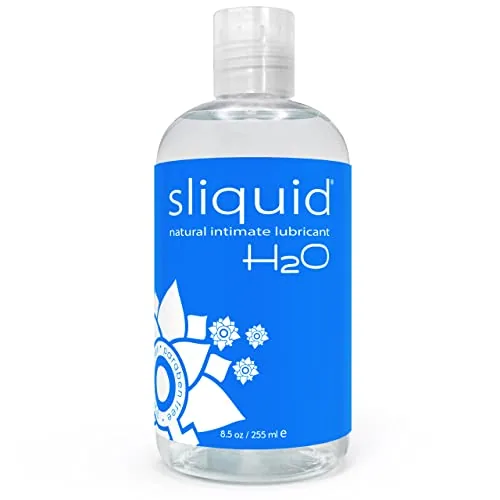
Sliquid H2O Water-Based Lube, 8.5 oz
- Glycerin & paraben free
- Fragrance free & vegan
- Toy & condom compatible
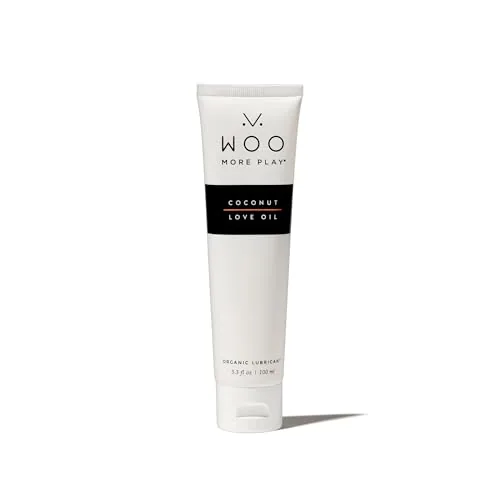
WOO More Play Coconut Love Oil, 3.3 oz
- Organic coconut oil
- FDA cleared, edible
- Smooth and long-lasting
A quick checklist for choosing
- Condoms? Pick water-based or silicone, and confirm the label says it is compatible with your condom material. See condom-safe lubricants.
- Silicone toys? Choose water-based. See toy-safe lubricants and our toy compatibility guide.
- Shower or long sessions? Silicone or hybrid last longest. See long-lasting formulas.
- Sensitive skin? Look for short ingredient lists, and read the ingredients to check.
- Dryness or menopause? Consider a lubricant plus a regular vaginal moisturizer. See our dryness guide.
- Trying to conceive? Choose a product made for it. See fertility-friendly lube.
Start small, then adjust
You do not have to get it right the first time, and the best type of lube is simply the one that suits your situation. Many people keep a water-based gel for everyday use and a silicone for showers or longer evenings. Travel sizes let you try a new formula cheaply, and a partner who wants to be involved in choosing usually makes it more fun. If something feels sticky, tingly or irritating, switch bases rather than using more.
Questions
Which type of lubricant is best for beginners?
A fragrance-free water-based gel or liquid is the easiest place to start. It works with latex condoms and all toy materials and washes off with water.
Can I use more than one kind of lube?
Yes, but do not layer silicone over silicone toys. Water-based lubricant can usually be added on top of other water-based lubricant when it starts to feel dry.
Is lubricant only for people with dryness?
No. Surveys show most adults have tried it, and common reasons include comfort, fun and curiosity, not only dryness.
Do I need a different lube for anal sex?
Many people prefer a thicker, longer-lasting formula for anal sex because the tissue does not make its own lubrication. Check condom and toy compatibility on the label.
How much should I use?
Start with a small amount and add more as needed. Silicone usually needs less than water-based lubricant.
What are the different types of lube?
The four main types of lube are water-based, silicone, oil-based and hybrid. They differ in how long they last, which condoms and toys they suit and how easily they wash off.
Sources
- Herbenick et al. 2014, women's use of commercial lubricants (J Sex Med)
- Reece et al. 2014, men's use of commercial lubricants (J Sex Med)
- Herbenick et al. 2011, lubricant use and women's pleasure, daily diary study
- Voeller et al. 1989, mineral oil and latex condoms (Contraception)
- Global Market Insights, personal lubricants market