
- Vaginal dryness is very common: about 27% to 84% of postmenopausal women have genitourinary symptoms of menopause.
- Lubricants help in the moment; vaginal moisturizers are used regularly for longer-lasting comfort.
- The North American Menopause Society lists both as first-line, non-hormonal care for less severe symptoms.
- Look for pH-balanced, fragrance-free formulas, and check osmolality if you can.
- Persistent pain or dryness deserves a conversation with a clinician.
If you are looking for lube for menopause, you are in good company: dryness, irritation and discomfort during sex are among the most common and least discussed parts of midlife. They can also follow childbirth, breastfeeding, some medications and medical treatments. The reassuring news is that there are simple, over-the-counter options and effective treatments to ask about.
This guide explains the difference between a lubricant and a moisturizer, what the numbers say about how common dryness is, and how to choose gentle products. It is general information, not medical advice.
How common is vaginal dryness?
Very. The North American Menopause Society says that genitourinary syndrome of menopause (GSM), which includes dryness, burning and discomfort, affects about 27% to 84% of postmenopausal women and is likely underdiagnosed and undertreated.
In the long-running SWAN study of 2,435 US women, reports of vaginal dryness rose from 19.4% at ages 42 to 53 to 34.0% at ages 57 to 69.
Women reporting vaginal dryness across midlife
SWAN study, US women followed for 17 years
Among postmenopausal women who already had symptoms in the US REVIVE survey, 55% reported dryness, 44% pain with intercourse and 37% irritation. Only 24% linked their symptoms to menopause, and 59% said symptoms affected their enjoyment of sex. Those figures describe women who had symptoms, not the whole population.
Lubricant or moisturizer: what is the difference?
They sound alike but do different jobs.
| Lubricant | Vaginal moisturizer | |
|---|---|---|
| Used | ✓ During sex or play | ✓ Regularly, e.g. a few times a week |
| Works | ~ For the moment | ✓ Builds comfort over days |
| Wash off after | ✓ Yes | ~ Not needed |
| Typical form | ~ Gel or liquid | ~ Gel, often with applicator |
| Best for | Reducing friction | Everyday dryness and irritation |
NAMS describes non-hormonal (hormone-free) lubricants used with sexual activity and long-acting vaginal moisturizers used regularly as first-line care for less severe symptoms. Many people use both. Our moisturizers category and dryness and menopause category collect options.
What to look for in a lube for menopause
- Water-based, fragrance-free and dye-free. Simple is gentler.
- pH close to vaginal pH. A healthy vaginal pH is about 3.8 to 4.5, and WHO suggests lubricants around 4.5 for vaginal use.
- Lower osmolality. WHO's ideal is 380 mOsm/kg or less, though most products sit well above that. See our osmolality and pH guide.
- Hyaluronic acid. A 2026 meta-analysis of 11 randomised trials found hyaluronic acid improved vaginal dryness quality of life and was non-inferior to active comparators, though a small pilot found it similar to vaginal estrogen after 12 weeks.
- No irritants. Skip warming, tingling or flavored formulas if your tissue is sore.
Products to consider
These come from the makers' own descriptions:
- Good Clean Love Restore is a water-based moisturizing gel with aloe vera and lactic acid, described as paraben-, glycerin- and fragrance-free and usable daily.
- Good Clean Love Rehydrate is an ultra-moisturizing vaginal gel with hyaluronic acid.
- Playground Love Sesh is a fragrance-free water-based gel with hyaluronic acid and vitamin E.
- Astroglide Water-Based Gel is a thicker gel that the maker says is recommended to temporarily alleviate discomfort from vaginal dryness.
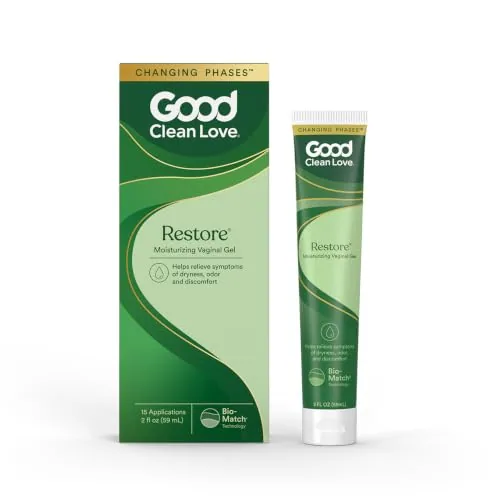
Good Clean Love Restore Moisturizing Gel, 2 oz
- Aloe vera & lactic acid
- pH balanced
- Glycerin & paraben free
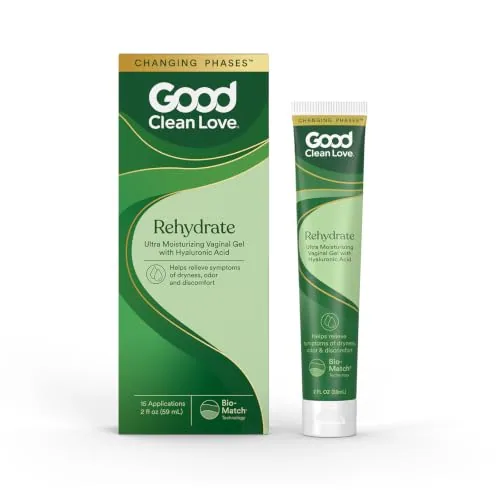
Good Clean Love Rehydrate Hyaluronic Gel, 2 oz
- Hyaluronic acid
- Long-lasting relief
- Glycerin & paraben free
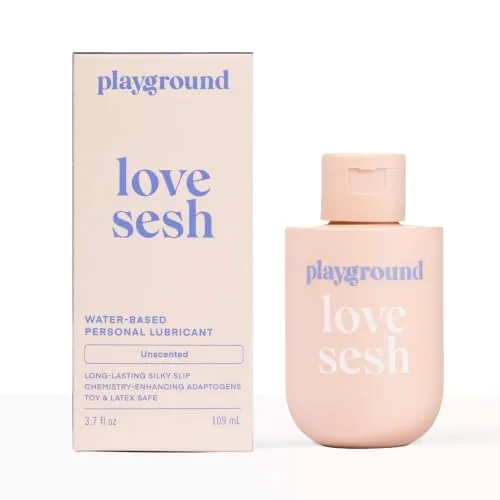
Playground Love Sesh Water-Based Lube
- Hyaluronic acid + vitamin E
- Fragrance free
- Toy and latex safe
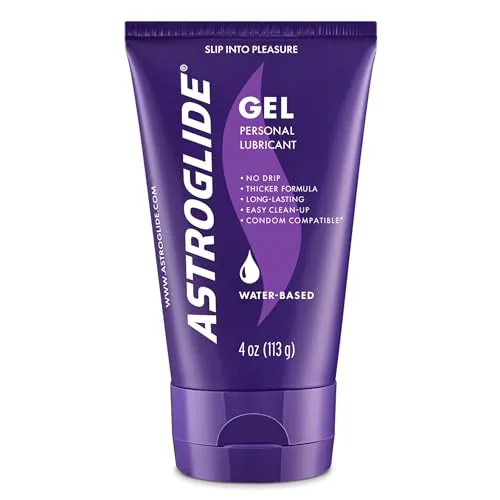
See also our Good Clean Love brand page, and ingredients for sensitive skin.
Everyday habits that help
- Allow more time for arousal; dryness and slow arousal are common with age.
- Use lubricant generously and reapply as needed.
- Avoid scented soaps, douches and wipes in the area.
- Wear breathable cotton underwear.
- Mention dryness at routine appointments. In one European survey, clinicians started the conversation in only 10% of cases, so raising it yourself helps.
Dryness is not only a menopause issue. The NHS lists breastfeeding, some contraceptive pills and antidepressants, and hysterectomy among the causes. Cleveland Clinic says more than 15% of females have it before menopause.
When to see a clinician
See a doctor or nurse if dryness comes with painful sex or pain that does not settle, bleeding, unusual discharge, burning when you pee or if over-the-counter options are not enough. Effective options exist, including local estrogen, and treating the cause is better than masking it.
Questions
Can I use a lubricant every day?
Many people do, but a regular vaginal moisturizer is designed for repeated use. A lubricant is mainly for use with sexual activity.
Are moisturizers safe with condoms?
Some are not designed for use with condoms. Check the label, and use a condom-compatible water-based lubricant for sex.
Do natural oils help with dryness?
Oils can feel soothing, but they can weaken latex condoms, and one small study linked oil use with higher Candida colonisation. Water-based options are a safer starting point.
Is dryness only a menopause problem?
No. Breastfeeding, some medicines and medical treatments can also cause it.
Will hyaluronic acid products work for everyone?
Evidence is encouraging, but responses vary. Give a product a few weeks and then talk to a clinician if you are not improving.
What is the best lube for menopause?
A fragrance-free, water-based lubricant with a pH close to vaginal pH is a gentle place to start, and many people add a regular vaginal moisturizer. If dryness or pain continues, ask a clinician about other options.
Sources
- NAMS 2020 genitourinary syndrome of menopause position statement
- Waetjen et al. 2018, SWAN vaginal dryness
- Kingsberg et al. 2013, REVIVE survey
- Nappi et al. 2016, European REVIVE survey
- Dahab et al. 2026, hyaluronic acid meta-analysis
- NHS: vaginal dryness
- Cleveland Clinic: vaginal dryness
- WHO/UNFPA/FHI360 Advisory Note (2012)